-
LatestThe best Washer of 2026
-
 BLACK+DECKER BFLW45M Roomy, efficient front-load washer with practical everyday cycles.
-
 Miele WQ 1000 WPS Nova Premium, feature-rich washer built for convenient everyday laundry.
-
 Miele WWB 380 WCS PowerWash & Steam Premium washer offers efficient cleaning and fabric care.
-
 AEG LR639AD44 6000-serie ProSense Autodose Convenient 9kg washer with automatic dosing and sensing
-
 Siemens WM14N208NL Practical 8kg washer with dependable everyday cycles.
-
 Bosch WAN2827FNL Practical, efficient 8 kg washer for everyday family laundry.
-
-
LatestThe best Washer of 2026
-
 Kapas KPS35-735H2 Compact twin-tub washer for small, hands-on laundry loads.
-
 Comfee CLV09N1AMG Compact washer makes small-apartment laundry convenient.
-
 Giantex EP23113 12 Lbs Compact twin-tub washer for convenient small-space laundry
-
 Midea MLTW09M1BWW washer Compact laundry for apartments and small everyday loads
-
 BLACK+DECKER BPWM09W, 0.9 Cu. Ft. , 6.6 lb. Compact portable washer for small everyday laundry loads
-
-
LatestThe best Dryer of 2026
-
 Miele TED 648 WP EcoSpeed & Wash2Dry Efficient, gentle drying with convenient smart washer pairing.
-
 BLACK+DECKER 4.4 Cu. BDFH44M Compact vented dryer for everyday small-home laundry
-
 BLACK+DECKER 8.0 Cu. BFLD80ME Roomy electric dryer for everyday family laundry.
-
 BLACK+DECKER BCED26 Compact Dryer Space-saving vented drying for small everyday laundry loads.
-
 AEG TR73CB96 SensiDry Gentle, efficient drying with generous family-sized capacity.
-
 AEG TR969M6C AbsoluteCare Plus Gentle, efficient drying for mixed loads and bedding
-
-
LatestThe best Washer-Dryer of 2026
-
 Bosch WNC254A0 Serie 8 Large-capacity washer-dryer with smart features and convenient automatic dosing
-
 Bosch WNA13400NL Space-saving washer-dryer for everyday laundry, smaller drying capacity.
-
 AEG LWR7586CUB DualSense UniversalDose Space-saving washer-dryer with fabric care and pod-friendly dispensing
-
 Bosch WNG254A7NL Spacious washer-dryer convenience, with a modest drying capacity.
-
 AEG LWR9516BN4 9000 Serie SensiDry Space-saving washer-dryer with gentle heat-pump fabric care
-
 Whirlpool FFWDB 964369 WV EE Space-saving washer-dryer with generous washing capacity and quick cycles.
-
Beko B5T6824WS1 SteamCure review
Review the Beko B5T6824WS1 SteamCure 8kg heat pump dryer, with insights on drying performance, energy use, steam refresh, controls and running costs.


 2024-11-15
Summary / TL;DR

The Beko B5T6824WS1 is an 8kg heat-pump tumble dryer with sensor-controlled programmes and a SteamCure refresh cycle. Its capacity suits typical household laundry, while the vent-free design and reversible door offer flexibility for installation. SteamCure can help reduce light odours and creases on briefly worn clothes, but it does not replace washing or guarantee wrinkle-free results.
Heat-pump drying can use less electricity than conventional vented or condenser drying, though cycles may take longer. The controls include a display, delay start and child lock. Regular filter cleaning and occasional water-tank emptying are required, and its 64 dB noise level may be noticeable in living areas. It is best suited to households that dry laundry regularly and value lower energy use and refresh options over the fastest cycle times.
Introduction
The Beko B5T6824WS1 SteamCure is an 8kg heat pump tumble dryer aimed at households that want to dry everyday laundry without relying on a vent to the outside. Its combination of heat-pump drying and SteamCure refresh options gives it a little more flexibility than a basic dryer: useful after a rainy school run, or when a shirt has picked up cupboard smells but doesn’t need a full wash.
That mix makes this Beko worth considering for regular family loads, from towels to work clothes, while the 8kg drum should suit a typical weekly laundry routine. SteamCure is best thought of as a handy refresh option, not a substitute for washing or a guarantee that every creased garment will come out ready to wear. The review looks at what the dryer offers in practice, including whether its extra features earn their place in a busy laundry room.
Related reviews


Design and Build Quality
The Beko B5T6824WS1 has a clean, conventional look: a white cabinet, large round front door and a dark control panel across the top. It should sit comfortably beside most standard washing machines without making a laundry area look overly busy. The broad door opening is handy for bulky bedding, too; you can lift a duvet cover in without trying to feed it through a narrow gap.
At 84.6 cm high, 59.8 cm wide and 60.5 cm deep, it’s close to standard washing-machine dimensions, so it can fit into many existing laundry spaces. Leave extra room behind it for the hose and airflow, and check the full depth available before buying—the door and fittings can need more space than the cabinet measurement suggests.
The finish is practical rather than premium-looking. Its plain white exterior is easy to match with other appliances, though it won’t hide scuffs as well as a darker finish. The door can be reversed to suit the room layout, a useful detail if a wall or washer would otherwise get in the way when loading and unloading. Overall, it’s a straightforward, space-conscious design, with the familiar size and front-opening layout many households expect from an 8 kg heat pump tumble dryer.
Capacity and Drying Performance
The 8kg drum capacity gives this heat-pump dryer room for a typical family wash, including a full load of everyday clothes or a good-sized batch of towels. Capacity refers to the dry weight of laundry, though, and bulky items take up space long before they reach 8kg. A duvet cover, for example, can bunch around smaller garments and leave them damp in the folds, so drying it separately is often the better option.
For more even results, avoid packing the drum tightly. A loosely filled load lets warm air move between items, which matters especially with thick cottons such as sweatshirts and bath towels. The Beko B5T6824WS1 SteamCure is also a practical size for smaller loads: you don’t need to wait until every item in the laundry basket is ready before drying a few work shirts or school clothes.
Its sensor-controlled drying helps match the cycle to the moisture left in the laundry, rather than relying only on a fixed run time. That’s useful when a load contains a mix of lighter and heavier pieces, although sorting similar fabrics together still gives more consistent results. Very dense items may need extra time, while lightweight synthetics can finish sooner than a drum filled with towels.
SteamCure and Drying Programs
The SteamCure refresh cycle is handy for clothes that have been worn briefly but don’t need a full wash. It uses steam to help loosen creases and reduce stale odours, so a shirt that’s spent the day in a wardrobe may need less ironing before you wear it again. It’s a useful reset, but it won’t clean sweat marks or replace a wash cycle.
For everyday laundry, the programme range covers common loads such as cottons, synthetics, mixed fabrics, towels and delicates, alongside options for items like shirts and sportswear. That makes it easier to avoid treating every load the same way. A mixed basket can go on a suitable mixed-fabric setting, while lighter or more delicate garments can get a gentler cycle. Check care labels before drying wool or specialist sportswear; a dedicated programme doesn’t override the garment’s instructions.
Choosing the right programme
SteamCure is best viewed as an extra for refreshing and crease care, while the regular drying programmes handle wet laundry. For example, it can help take the crumpled look out of a shirt that has been folded in a drawer, but it won’t turn a damp load into dry clothes. For heavily creased items, results can also depend on how tightly the drum is packed: leaving room for garments to move gives steam and warm air a better chance to work through them.
Energy Efficiency and Running Costs
The Beko B5T6824WS1 SteamCure uses a heat-pump system, which recycles warm air instead of constantly heating fresh air. That usually means lower electricity use than a conventional vented or condenser dryer, though cycles can take longer.
Its listed annual energy consumption is around 176 kWh. As a rough guide, that works out at about £44 a year at 25p per kWh. Your bill will vary with your electricity tariff, load size and how often you dry clothes; a small load every few days is a very different use pattern from running it daily for a family.
For a more useful estimate, multiply your electricity price by the energy used. At 30p per kWh, 176 kWh would cost about £53 a year. Treat that as a comparison figure rather than a promise: energy-label tests use set conditions, while real loads of towels or thicker bedding can need more drying time.
To keep running costs down, spin clothes well in the washing machine and avoid repeatedly drying half-full loads. The dryer’s sensors can help prevent unnecessary drying, but mixed loads—such as light shirts alongside heavy jeans—may not finish evenly, so sorting similar fabrics can save a little energy and avoid running an extra cycle.
Controls and Ease of Use
The controls are straightforward: turn the programme dial to choose a cycle, then use the display and touch buttons to adjust the available settings and start the dryer. The screen shows the remaining time, which makes it easier to judge whether a load will be ready before you need it. The estimate can shift as the dryer senses how damp the clothes are, so treat it as a guide rather than a fixed countdown.
Useful everyday options include a delay start and a child lock. The delay is handy if you want a load to finish closer to when you’ll be home; the lock helps prevent an accidental button press from changing a cycle. The layout is much less fussy than a dryer covered in separate buttons, though the small icons may take a few loads to learn.
For a typical wash-day routine, the dial gets you to the right cycle quickly, while the display helps you check the setting before pressing start. Once you’ve learned the controls you use most, there’s little need to keep reaching for the manual. Just remember to check the selected options when switching between loads, as settings that suit everyday clothes may not be right for more delicate items.
Maintenance and Noise
Keeping the Dryer Clean
For reliable drying, clean the door lint filter after every load. It’s a small job, but lint build-up can restrict airflow and make cycles take longer. The filter warning also gives you a useful reminder if you forget. Check and clean the lower filter and heat-exchanger area as directed in the manual; these need attention less often than the door filter, but shouldn’t be ignored.
Unless you connect a drain hose, you’ll also need to empty the water tank when its indicator comes on. That’s easy to forget after a small load, so it’s worth checking before starting the next cycle. Wiping the moisture-sensor strips and the inside of the drum now and then helps the dryer judge when clothes are dry, rather than stopping too early or running longer than needed.
Noise in Everyday Use
The listed noise level is 64 dB(A). That’s audible in a nearby kitchen or open-plan living area, especially during the steady hum of a longer cycle, though it’s not unusual for a heat-pump dryer. A solid, level floor helps limit rattling; take care to remove transit packaging and check that the machine doesn’t wobble after installation. It should be fine in a laundry room, but light sleepers may prefer not to run it beside a bedroom overnight.
What's in the Box
In the box, expect the 8kg heat pump tumble dryer and its user documentation. Depending on the retailer and market, a direct-drain hose may also be supplied, so check the listing or packaging before installation if you plan to send condensed water straight to a drain rather than empty the tank.
You won’t need a separate venting kit: this is a condenser-style heat pump dryer, not a vented model that needs a hose to an outside wall. A stacking kit for placing it above a washing machine is generally a separate purchase, as are any extra laundry accessories. Keep the manual handy for the first setup; it covers installation clearances and explains how to connect a drain hose if one is included.
Competitor Comparison
Compared with other 8kg heat pump tumble dryers, the Beko B5T6824WS1 SteamCure sits in a useful middle ground: it offers steam-refresh options without moving into the higher price bracket often associated with premium brands. Its closest rivals tend to trade on a different strength, such as app controls, particularly quiet operation or a longer warranty.
| Alternative | How it compares | Best fit for |
|---|---|---|
| Mid-range Bosch heat pump dryer | Often a strong choice for straightforward controls and a familiar, solid-feeling design. A comparable Bosch may cost more, so check whether its extra features matter to you. | Buyers who prefer a simple interface and are happy to pay extra for the brand. |
| Samsung heat pump dryer with smart features | Some Samsung models offer app connectivity and remote notifications. Those features can be handy if the dryer is in a utility room, though they won’t shorten a cycle by themselves. | Households that want connected controls and already use Samsung appliances. |
| Budget condenser dryer | Usually cheaper to buy, but it vents moisture into a water container or drain and typically uses more electricity than a heat pump model. | People prioritising a lower upfront price over long-term energy savings. |
The Beko’s main point of difference is SteamCure: it gives it an edge over basic heat pump dryers that only offer conventional timed and sensor cycles. That can be useful for a lightly worn shirt or a top that has sat folded in a drawer; it’s a refresh option, not a replacement for washing or ironing every item.
For a fair comparison, check the exact model’s energy label, warranty and cycle options rather than relying on brand reputation alone. If you want an affordable heat pump dryer with steam refresh and don’t need a phone app, this Beko makes a persuasive alternative to pricier connected models. A rival may be a better buy if it offers a longer warranty or a feature you’ll genuinely use every week.
Conclusion
The Beko B5T6824WS1 SteamCure makes most sense for households that want a capable heat pump tumble dryer with a few useful extras, rather than a basic machine that only dries clothes. Its SteamCure option can freshen lightly worn items between washes, which is handy for a shirt that has picked up kitchen smells but isn’t actually dirty. It won’t replace a wash or remove stubborn stains, though.
The main compromise is the familiar one with heat pump dryers: cycles can take longer than they do in a conventional vented dryer. That’s easier to live with if you can run a load overnight or while you’re out, and the more measured drying approach suits everyday laundry such as towels, cottons and mixed loads. The upfront price may also be higher than for a simpler dryer, so the energy savings matter most if you use it regularly.
For a home looking for an 8kg dryer with steam refresh, useful fabric-care options and no need for an external vent, this is a well-rounded choice. It’s less compelling if you need the shortest possible drying times or only dry clothes occasionally. Overall, the Beko offers practical features that can earn their keep in a busy laundry routine, without making the buying decision hinge on steam alone.
Pros & cons
Pros
- 8kg capacity for family laundry
- Heat pump helps reduce energy use
- SteamCure refreshes lightly worn clothes
- Sensor-controlled drying
- No external vent required
Cons
- Cycles can take longer
- Audible at 64 dB
- Water tank needs emptying if not drained
- Costs more upfront than basic dryers
Frequently Asked Questions
The Beko B5T6824WS1 SteamCure dryer has an A+++ energy rating, making it highly energy-efficient. This can lead to significant savings on your energy bills over its lifespan.
The Beko B5T6824WS1 SteamCure dryer operates at a noise level of 63 dB, which is relatively quiet and won't disturb neighbors.
The Beko B5T6824WS1 SteamCure dryer has a maximum load capacity of 8 kg, suitable for both small and medium-sized households.
No, the Beko B5T6824WS1 SteamCure dryer does not have a self-cleaning condenser. You need to clean it manually.
The SteamCure technology in the Beko B5T6824WS1 uses steam to refresh clothes, removing odors and wrinkles, which can save you a wash cycle.
No, the Beko B5T6824WS1 SteamCure dryer does not support app control. It features a touchscreen control panel for easy operation.
The maximum drying time for a full load of 8 kg in the Beko B5T6824WS1 SteamCure dryer is approximately 174 minutes.
No, the Beko B5T6824WS1 SteamCure dryer does not come with a drain hose. You need to purchase one separately if you want to connect it to a water drain.
To maintain the Beko B5T6824WS1 SteamCure dryer, regularly clean the lint filter, empty the water tank, and ensure the condenser is clean to optimize performance.
The Beko B5T6824WS1 SteamCure dryer offers features like sensor drying, EcoGentle technology, anti-allergy program, and a reversible door for convenience.
Important
Before buying any product, check all details of this product on the website or in the store where you purchase it. Aspects and specifications mentioned in the text above might differ.
Videos
-
 How To Start Timed Program Steamcure In Beko B5T68239WSPBHardReset.Info
-
 Beko WTV8716XBWST SteamCure in 1 minuutScore Shopping
-
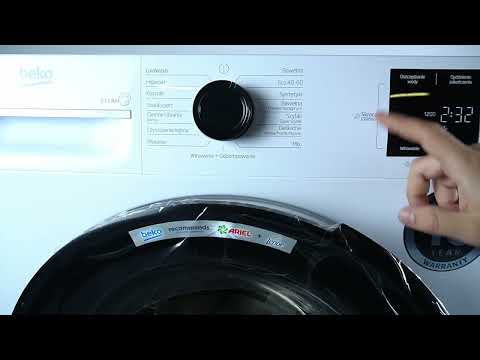 How SteamCure Works on Beko SteamCure B100 7kg?HardReset.Info
-
 Beko SteamCureBeko UK
-
 SteamCure | BekoBeko Nederland
-
 Zelf je wasdroger installeren | BekoBeko Nederland
More related reviews
-

-
 AEG TR73CB96 SensiDryDryers
-
