-
LatestThe best Washer of 2026
-
 BLACK+DECKER BFLW45M Roomy, efficient front-load washer with practical everyday cycles.
-
 Miele WQ 1000 WPS Nova Premium, feature-rich washer built for convenient everyday laundry.
-
 Miele WWB 380 WCS PowerWash & Steam Premium washer offers efficient cleaning and fabric care.
-
 AEG LR639AD44 6000-serie ProSense Autodose Convenient 9kg washer with automatic dosing and sensing
-
 Siemens WM14N208NL Practical 8kg washer with dependable everyday cycles.
-
 Bosch WAN2827FNL Practical, efficient 8 kg washer for everyday family laundry.
-
-
LatestThe best Washer of 2026
-
 Kapas KPS35-735H2 Compact twin-tub washer for small, hands-on laundry loads.
-
 Comfee CLV09N1AMG Compact washer makes small-apartment laundry convenient.
-
 Giantex EP23113 12 Lbs Compact twin-tub washer for convenient small-space laundry
-
 Midea MLTW09M1BWW washer Compact laundry for apartments and small everyday loads
-
 BLACK+DECKER BPWM09W, 0.9 Cu. Ft. , 6.6 lb. Compact portable washer for small everyday laundry loads
-
-
LatestThe best Dryer of 2026
-
 Miele TED 648 WP EcoSpeed & Wash2Dry Efficient, gentle drying with convenient smart washer pairing.
-
 BLACK+DECKER 4.4 Cu. BDFH44M Compact vented dryer for everyday small-home laundry
-
 BLACK+DECKER 8.0 Cu. BFLD80ME Roomy electric dryer for everyday family laundry.
-
 BLACK+DECKER BCED26 Compact Dryer Space-saving vented drying for small everyday laundry loads.
-
 AEG TR73CB96 SensiDry Gentle, efficient drying with generous family-sized capacity.
-
 AEG TR969M6C AbsoluteCare Plus Gentle, efficient drying for mixed loads and bedding
-
-
LatestThe best Washer-Dryer of 2026
-
 Bosch WNC254A0 Serie 8 Large-capacity washer-dryer with smart features and convenient automatic dosing
-
 Bosch WNA13400NL Space-saving washer-dryer for everyday laundry, smaller drying capacity.
-
 AEG LWR7586CUB DualSense UniversalDose Space-saving washer-dryer with fabric care and pod-friendly dispensing
-
 Bosch WNG254A7NL Spacious washer-dryer convenience, with a modest drying capacity.
-
 AEG LWR9516BN4 9000 Serie SensiDry Space-saving washer-dryer with gentle heat-pump fabric care
-
 Whirlpool FFWDB 964369 WV EE Space-saving washer-dryer with generous washing capacity and quick cycles.
-
Bosch WQG233D1NL review
Bosch WQG233D1NL review: See how this 8 kg heat pump dryer handles family laundry, energy use, drying programs, noise and everyday care.


 2024-12-01
Summary / TL;DR

The Bosch WQG233D1NL is an 8 kg heat-pump tumble dryer with moisture-sensing AutoDry and programs for common loads, including towels, sportswear and down. Its capacity suits everyday household laundry, while the lower-temperature drying is gentler on fabrics than high-heat alternatives. The stated energy use is about 176 kWh per year, though actual costs depend on usage and electricity rates.
Operation is straightforward, and the included drain hose can route condensate to a drain. At 64 dB, it can be heard in nearby living areas. As with other heat-pump dryers, cycles may take longer than those of conventional dryers, and regular filter cleaning is needed. It is best suited to households that can plan around longer drying times.
If you like this review, you might also like our review on the Bosch WTU87675NL or Bosch WQB245A5NL or Bosch WTH85205NL.
Introduction
The Bosch WQG233D1NL is an 8 kg heat pump tumble dryer aimed at households that want to dry everyday laundry without relying on an outside vent. That capacity gives you room for a typical family wash, while still making sense for a smaller home where bulky items like towels and bedding need regular drying.
Its heat-pump system recycles warm air rather than sending it straight outside, a design that can use less energy than a conventional vented dryer. The trade-off is that heat-pump cycles can take longer, so it suits a routine where clothes can dry steadily rather than needing to be ready in a hurry. This review looks at how the Bosch performs as a practical 8 kg dryer for everyday laundry, beyond the headline features.
Related reviews


What's in the Box
The package includes the dryer, a condensate drain hose and the user documentation. The hose lets you send collected water to a suitable drain instead of emptying the water tank after each load. Check the hose fittings and the manual before installation, especially if the drain connection sits far from the appliance.
You won’t find a stacking kit or a special drying basket in the box, so those need to be bought separately if you plan to stack the dryer or dry delicate items that need a basket. The standard package is otherwise fairly straightforward: keep the manual handy for the first setup, and make sure the delivery route and final position leave enough room to connect the drain hose without kinks.
Design and Build Quality
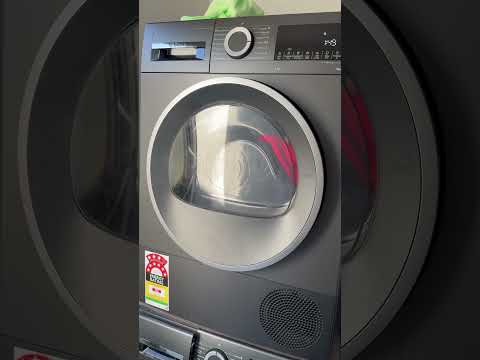
The Bosch WQG233D1NL has a clean, practical look: a white cabinet, a large front door and a control panel set high enough to read without crouching. Its styling is understated rather than flashy, which makes it easy to pair with a matching washing machine or tuck into a utility room without drawing much attention.
Dimensions and everyday fit
At roughly 84.2 cm high, 59.8 cm wide and 61.3 cm deep, it follows the familiar full-size dryer footprint. The near-60 cm width suits many standard laundry spaces, but check the depth carefully before ordering. A hose, plug and space for the door to open can all add to the room it needs, especially in a shallow cupboard or a narrow hallway alcove.
The front-loading layout keeps the door and controls within easy reach for most people. The broad door opening is handy for bulky items such as a duvet cover: there’s room to gather the fabric before lifting it out, rather than tugging it through a small opening. The white finish is easy to match, though it can show scuffs more readily than a darker appliance if baskets or laundry hampers rub against it.
Build and finish
This is a freestanding heat-pump dryer with a solid, conventional cabinet design. Its straightforward exterior keeps the focus on function, and the large door makes loading less fiddly than on a compact model. As with most full-size dryers, it is heavy enough that positioning it is a two-person job; measure doorways and turns before delivery, not just the final space beside the washer.
Capacity and Drying Performance
The 8 kg capacity is a good fit for everyday family laundry: it can handle a sizeable load of T-shirts, underwear and school clothes, or a batch of towels without needing to split everything into small portions. Keep in mind that 8 kg refers to the weight of dry laundry, and bulky items take up space quickly. A king-size duvet cover mixed with thick towels, for example, may tumble less freely than the same weight of smaller garments.
For more even results, dry similar fabrics together. A load of cotton towels can take longer than lightweight shirts, so mixing the two may leave the shirts ready before the towels are fully dry. Leaving room for clothes to move also helps prevent damp patches, especially in fitted sheets and larger items that can bunch up during a cycle.
AutoDry moisture sensing adjusts drying according to the laundry’s remaining moisture, rather than relying only on a fixed run time. That helps reduce the risk of overdrying a normal clothing load. The heat-pump system also dries at lower temperatures than many conventional dryers, which is gentler on everyday fabrics, though cycles can take longer than users may expect when switching from a vented machine.
For a typical wash-day routine, its capacity means fewer separate drying loads for a household than a compact 7 kg model. It’s still worth splitting bulky bedding from smaller clothes: a drum that is technically within its weight limit can perform less evenly when packed too tightly.
Drying Programs and Controls
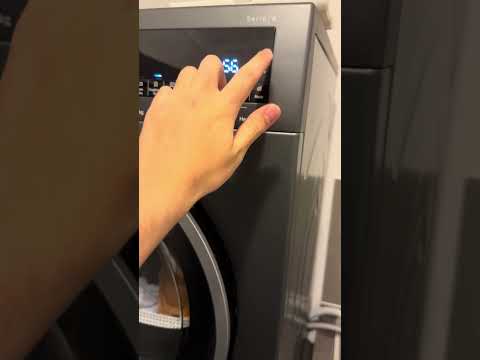
The program list covers everyday laundry without making the controls feel like a cockpit. Choose a cycle with the rotary dial, then use the touch controls to adjust options such as the dryness level or anti-crease setting. The display shows the remaining time, which is useful when you’re trying to fit a load in before heading out—though sensor-based drying times can change as the machine measures the laundry.
- Cottons and Easy-care: The main choices for regular cotton loads and synthetic or easy-care fabrics. You can select a target dryness level, from laundry that’s still slightly damp for ironing to cupboard-dry items.
- Mixed: Handy for a small load with different fabric types, such as cotton tops and synthetic sportswear. It saves sorting every item into a separate cycle, though delicate garments are better kept out of the mix.
- Shirts/Blouses: A useful option for work clothes. The anti-crease setting can keep clothes moving gently after the cycle, so shirts are less likely to sit in a warm heap while you finish dinner.
- Sportswear, Towels and Down: These dedicated programs give common specialist loads their own settings, rather than leaving you to guess which general cycle will suit them.
- Super Quick 40: Intended for a small load of lightly worn items, not a full basket of damp laundry. It’s the sort of cycle that can refresh a couple of shirts when you’ve left tomorrow’s outfit until late.
AutoDry uses moisture sensors to stop the cycle when the selected dryness level is reached. That means you don’t have to estimate a fixed drying time for every load, and it helps avoid running clothes longer than needed. For items that need a specific treatment, the timed warm and cold programs offer a more direct choice.
The controls are straightforward once you’ve used them a couple of times, but the number of options may take a little getting used to. In particular, choosing the right dryness target matters: cupboard-dry works for clothes going straight into a drawer, while an iron-dry setting leaves some moisture in fabrics that are easier to press that way.
Energy Efficiency and Running Costs
The Bosch WQG233D1NL is a heat pump dryer, so it recycles warm air instead of constantly heating fresh air. That helps keep electricity use down compared with many older condenser dryers, though drying can take longer than with a high-heat model.
Its published energy consumption is about 176 kWh per year, based on 160 standard test cycles. That works out to roughly 1.1 kWh per cycle. At an electricity rate of €0.30 per kWh, the label figure suggests around €53 a year, or about 33 cents per cycle.
| Example electricity rate | Estimated yearly cost* | Estimated cost per cycle* |
|---|---|---|
| €0.25/kWh | €44 | €0.28 |
| €0.30/kWh | €53 | €0.33 |
| €0.40/kWh | €70 | €0.44 |
*Estimates use the stated 176 kWh annual figure and 160 cycles; your bill will vary with your tariff and laundry habits.
Real-world dryer running costs depend on what goes into the drum. A small load still uses energy to warm the machine, while towels that come out of the washer at a faster spin speed need less drying time. The old EU label rated this model A+++; that’s a useful comparison with dryers carrying the same label, but it doesn’t guarantee a particular bill in everyday use.
Noise and Ease of Use
At 64 dB, this heat-pump dryer is reasonably quiet for a full-size appliance, but it isn’t silent. You’ll hear it running in a nearby kitchen or open-plan living space, especially during the faster parts of a cycle. With the door closed, the sound is less intrusive; in a utility room, it’s unlikely to be a distraction. Bosch’s AntiVibration side panels help limit rattling, though a level floor and properly adjusted feet still matter if you want to keep vibration down.
Day-to-day operation is straightforward. The rotary programme selector and clear display make it easy to choose a setting and check the remaining time, without working through a maze of menus. That’s handy when you’re loading a mixed basket after dinner and just want to start a normal drying cycle. The controls are simple rather than especially high-tech, which suits anyone who prefers buttons and a dial over managing an appliance through an app.
The 8 kg drum is comfortable to load with ordinary household laundry, and the wide front opening makes it easier to reach items at the back. A bulky load of towels can still take a bit of shifting around, but that’s typical of a large tumble dryer. For quieter operation, avoid placing it beside a bedroom wall and don’t pack the drum so tightly that clothes can’t move freely.
Maintenance and Care
Routine care is fairly straightforward, but this heat-pump dryer still needs a few minutes of attention to keep airflow clear and drying times steady. The main jobs are cleaning the lint filter, checking the lower filter area and dealing with condensed water.
Clean the filters regularly
Remove the door lint filter after each load and clear away the fluff. A clogged filter restricts airflow, which can leave towels damp and make a cycle run longer. The mesh is easier to clean before lint gets pressed into it; a quick pass with your fingers usually does the job.
The dryer also has an EasyClean filter at the lower front. Check and clean it as described in the manual, especially if you notice longer drying times or a reminder on the display. If you rinse a filter, let it dry fully before putting it back. Don’t poke the mesh with a brush or use a sharp tool, as that can damage it.
Empty the water container and wipe the sensor
If the dryer drains into its water container rather than a household drain, empty the container when prompted. It’s a small task, but easy to forget when you’re moving a load straight into a cupboard. A drain connection avoids routine emptying, though the filters still need attention.
Now and then, wipe the moisture sensor inside the drum with a soft, damp cloth. Fabric softener residue can build up on the sensor and affect how accurately the machine judges dryness. Skip abrasive pads and cleaning sprays; a gentle wipe is enough.
For reliable heat-pump dryer maintenance, keep the area around the appliance clear and check the manual for the correct filter-cleaning steps. These simple habits help the Bosch WQG233D1NL maintain airflow without turning everyday care into a lengthy chore.
Competitor comparison
The Bosch WQG233D1NL sits in the middle of the 8 kg heat-pump dryer market: a practical choice rather than a premium model packed with connected features. Compared with similarly sized AEG 7000 series heat-pump dryers, it offers a familiar alternative for everyday laundry, while AEG’s SensiDry branding may appeal to shoppers who want a dryer focused on lower-temperature care. Check the exact model’s program list before comparing, as features vary between versions.
| Alternative | How the Bosch compares |
|---|---|
| Samsung 8 kg heat-pump dryers | Some Samsung models offer app-connected controls, which can be handy for checking a cycle from another room. The Bosch is a more straightforward pick if remote features aren’t a priority. |
| AEG 7000 series | A close rival for households comparing fabric-care programs and low-temperature drying. Compare the specific cycles and warranty terms, rather than relying on the series name alone. |
| Miele T1 dryers | Miele models often cost more and add premium touches, so they suit shoppers willing to pay extra for those details. The Bosch is a more measured option if an 8 kg heat-pump dryer is the main requirement. |
| Condenser dryers without a heat pump | These can have a lower purchase price, but generally use more electricity. For regular loads—such as towels and school clothes several times a week—the energy use over time deserves a place in the comparison. |
In short, the Bosch WQG233D1NL makes most sense for buyers who want a straightforward 8 kg heat-pump dryer from an established brand, without paying extra for app control or premium extras. Compare current prices and energy labels on the exact models: discounts can change which dryer offers the better value.
Conclusion
The Bosch WQG233D1NL is a sensible choice if you want an 8kg heat pump dryer that handles regular family laundry without unnecessary extras. It suits the steady rhythm of towels, school clothes and bedding, and its gentler drying approach is useful for garments you’d rather not expose to high heat.
Its main compromise is familiar for this type of appliance: heat pump drying can take longer than a conventional dryer, so it’s less suited to someone who needs a load ready in a hurry. You’ll also need to keep up with basic filter care. For a household that can plan loads ahead, though, it offers a practical balance of fabric care, capacity and lower-energy drying.
Verdict: A good everyday Bosch heat pump dryer for households that value dependable results over the shortest possible cycle. Consider a faster or larger model if you often dry several bulky loads back to back; otherwise, this 8kg dryer is an easy one to recommend.
Pros & cons
Pros
- 8 kg capacity suits family laundry
- Heat-pump design helps reduce energy use
- AutoDry senses moisture to prevent overdrying
- Useful range of everyday and specialist programs
- Drain hose included for direct water disposal
Cons
- Heat-pump cycles can take longer
- Filters need regular cleaning
- Stacking kit and drying basket sold separately
Frequently Asked Questions
The Bosch WQG233D1NL dryer uses heat pump technology to efficiently dry clothes by reusing the heat generated during the drying process. This technology enhances energy efficiency, making it a cost-effective option.
The Bosch WQG233D1NL dryer has an energy efficiency class of A++, indicating it is highly efficient and can help reduce energy bills.
To activate the child lock on the Bosch WQG233D1NL dryer, press and hold two specific buttons for approximately three seconds until the display shows the lock symbol.
The Bosch WQG233D1NL dryer has a capacity of 8 kg, making it suitable for large families or households with high laundry demands.
To clean the fluff filter of the Bosch WQG233D1NL dryer, remove it, open both parts, and wash them with warm water. Ensure they are dry before reassembling to prevent moisture buildup.
The Bosch WQG233D1NL dryer operates at a noise level of 65 dB, which is relatively quiet compared to other dryers.
No, the Bosch WQG233D1NL dryer does not have a reversible door; it is fixed to open from the right side.
If the Bosch WQG233D1NL dryer is not turning on, check the power supply, ensure the mains plug is securely connected, and verify that there are no issues with the electrical circuit.
The Bosch WQG233D1NL dryer comes with a two-year warranty, providing peace of mind for users.
No, it is essential to use the Bosch WQG233D1NL dryer with the condensation container inserted. Ensure it is properly placed before operating the appliance to avoid any issues.
Important
Before buying any product, check all details of this product on the website or in the store where you purchase it. Aspects and specifications mentioned in the text above might differ.
More Bosch reviews
-
 Bosch BGC21POW1 review
Practical bagless cylinder vacuum for everyday mixed-floor cleaning
Videos
-

-

-
 Serie 6 warmtepompdrogers | Bosch Home NederlandBosch Home Netherlands and Belgium
-

-
-
More related reviews
-

-
 AEG TR73CB96 SensiDryDryers
-
