-
LatestThe best Washer of 2026
-
 BLACK+DECKER BFLW45M Roomy, efficient front-load washer with practical everyday cycles.
-
 Miele WQ 1000 WPS Nova Premium, feature-rich washer built for convenient everyday laundry.
-
 Miele WWB 380 WCS PowerWash & Steam Premium washer offers efficient cleaning and fabric care.
-
 AEG LR639AD44 6000-serie ProSense Autodose Convenient 9kg washer with automatic dosing and sensing
-
 Siemens WM14N208NL Practical 8kg washer with dependable everyday cycles.
-
 Bosch WAN2827FNL Practical, efficient 8 kg washer for everyday family laundry.
-
-
LatestThe best Washer of 2026
-
 Kapas KPS35-735H2 Compact twin-tub washer for small, hands-on laundry loads.
-
 Comfee CLV09N1AMG Compact washer makes small-apartment laundry convenient.
-
 Giantex EP23113 12 Lbs Compact twin-tub washer for convenient small-space laundry
-
 Midea MLTW09M1BWW washer Compact laundry for apartments and small everyday loads
-
 BLACK+DECKER BPWM09W, 0.9 Cu. Ft. , 6.6 lb. Compact portable washer for small everyday laundry loads
-
-
LatestThe best Dryer of 2026
-
 Miele TED 648 WP EcoSpeed & Wash2Dry Efficient, gentle drying with convenient smart washer pairing.
-
 BLACK+DECKER 4.4 Cu. BDFH44M Compact vented dryer for everyday small-home laundry
-
 BLACK+DECKER 8.0 Cu. BFLD80ME Roomy electric dryer for everyday family laundry.
-
 BLACK+DECKER BCED26 Compact Dryer Space-saving vented drying for small everyday laundry loads.
-
 AEG TR73CB96 SensiDry Gentle, efficient drying with generous family-sized capacity.
-
 AEG TR969M6C AbsoluteCare Plus Gentle, efficient drying for mixed loads and bedding
-
-
LatestThe best Washer-Dryer of 2026
-
 Bosch WNC254A0 Serie 8 Large-capacity washer-dryer with smart features and convenient automatic dosing
-
 Bosch WNA13400NL Space-saving washer-dryer for everyday laundry, smaller drying capacity.
-
 AEG LWR7586CUB DualSense UniversalDose Space-saving washer-dryer with fabric care and pod-friendly dispensing
-
 Bosch WNG254A7NL Spacious washer-dryer convenience, with a modest drying capacity.
-
 AEG LWR9516BN4 9000 Serie SensiDry Space-saving washer-dryer with gentle heat-pump fabric care
-
 Whirlpool FFWDB 964369 WV EE Space-saving washer-dryer with generous washing capacity and quick cycles.
-
Miele TED 648 WP EcoSpeed & Wash2Dry review
Miele TED 648 WP review: Explore its 8 kg capacity, efficient heat pump drying, EcoSpeed and Wash2Dry features, plus running costs and key trade-offs.


 2025-11-23
Summary / TL;DR

The Miele TED 648 WP EcoSpeed & Wash2Dry is an 8 kg heat-pump dryer designed for households without an external vent. Its moisture-sensing programs, fabric options and quoted energy use of around 95 kWh per 100 cycles support efficient everyday drying, though cycles may take longer than those of conventional dryers. EcoSpeed can shorten some cycles, depending on the load.
Wash2Dry can select a program based on information from a compatible Miele washing machine, but requires a connected setup and still needs the user to load and start the dryer. The standard-size cabinet requires adequate space, and water must be emptied or routed to a drain. Positioned at a premium price, it may suit existing Miele users who value the connected features; buyers prioritising low cost, faster drying or a larger drum may prefer alternatives.
If you like this review, you might also like our review on the Miele TSF 763 WP EcoSpeed or Miele TSL 683 WP EcoSpeed & Steam.
Introduction
The Miele TED 648 WP EcoSpeed & Wash2Dry is an 8 kg heat pump tumble dryer aimed at households that want to dry laundry without fitting an external vent. That makes it easier to place in a utility room or a suitable indoor space, though you’ll still need to plan for its size and a way to manage the water it collects.
Its appeal is practical rather than flashy: heat pump drying can use less energy than many conventional vented dryers, and an 8 kg drum gives you room for everyday loads such as towels, work clothes and a week’s worth of T-shirts. The Wash2Dry name also points to a link with compatible Miele washing machines, which can pass on programme information after a wash. That could save a little guesswork when you move a mixed load from washer to dryer.
This review looks at what the dryer offers in day-to-day use, including whether its efficiency and connected features justify choosing it over a simpler heat pump dryer. If you’re comparing Miele tumble dryers for a family home, the key question is whether its convenience suits your laundry routine as well as its premium positioning.
Related reviews


Design and Build Quality
The Miele TED 648 WP has a clean, practical look: a white finish, full-size front door and straightforward control panel. It’s not a slimline dryer, so check your available space before ordering. The cabinet measures about 85 cm high, 59.6 cm wide and 64.3 cm deep; leave extra room for the door to swing open and for access around the machine.
Solid, laundry-room-friendly construction
Miele uses an enamelled front, which resists rust and is easier to wipe clean than a painted metal surface. That’s useful in a laundry room where detergent drips or damp hands can leave marks. The door and handle feel designed for regular use rather than for looks alone, and the plain white exterior should sit comfortably beside most washers.
Inside, the honeycomb drum has a textured surface that helps clothes move gently through the drum instead of pressing flat against a smooth metal wall. It’s a practical detail for everyday loads such as T-shirts, towels and sheets. The drum’s lighting also makes it easier to spot a small sock left behind at the back—a minor convenience, but one you’ll appreciate when unloading in a dim utility room.
At roughly 60 cm wide, this is a standard-size 8 kg heat pump dryer, not a compact option for a tight cupboard. Its build feels geared toward a permanent laundry setup, and the restrained styling is easy to live with. The trade-off is simple: measure the route into the room as well as the final space, especially if the dryer needs to pass through a narrow doorway or turn on a landing.
What's in the Box
The box is mostly about the appliance itself, rather than a bundle of extras. Along with the dryer, expect the operating instructions and the parts needed for the standard setup, including a condensate drain hose. That hose lets you send collected water to a suitable drain instead of emptying the water container after each cycle.
- Miele T1 heat-pump dryer
- Condensate drain hose
- Operating instructions and safety information
Don’t assume a stacking kit, laundry accessories or a fragrance flacon comes in the carton; these can depend on the retailer or may need to be purchased separately. Check the seller’s included-items list before ordering, especially if you plan to stack the dryer above a washing machine. The packaging is bulky, so it’s also worth clearing the route from the doorway to the laundry area before delivery.
Installation and Setup
Allow more room than the cabinet dimensions suggest. The dryer measures about 596 mm wide, 643 mm deep and 850 mm high, but the door needs space to swing open and the rear needs clearance for the power cable and any drain hose. Measure the route into the laundry room too: a tight doorway or sharp hallway turn can be a bigger obstacle than the final spot.
Set it on a firm, level floor and adjust the feet until it stands steady. That small bit of care helps prevent unnecessary vibration, especially if the dryer sits beside a washing machine. It needs a suitable grounded mains socket; avoid extension leads, which can be a poor fit for a high-power appliance.
Choose how to handle the condensed water
As a heat-pump dryer, it collects moisture rather than venting warm, damp air outdoors. You can empty the condensate container by hand, or connect the drain hose to a suitable waste outlet if you want to avoid carrying water to the sink. The first option is simple in a rental or a room without a nearby drain; the second is handy when you run several loads in a row. Check that the hose sits securely and is not kinked.
Leave the air-intake area clear and avoid placing the machine somewhere prone to frost or excessive heat. Once it is level and connected, run a short test cycle and check for leaks if you have routed water to a drain. For stacking, use a compatible Miele stacking kit rather than balancing the dryer directly on a washer.
Initial setup is straightforward, but Wash2Dry needs a compatible connected Miele washing machine and the relevant app and home Wi-Fi configured. If you are setting up the dryer on its own, it can still be used normally; the connected washer is only needed for that linked setup.
Drying Performance and Programs
The 8 kg drum gives this heat pump dryer room for a typical family wash, though bulky items need a bit of thought. A full load of towels can dry evenly, while a tightly packed duvet cover may twist around smaller pieces and leave them damp inside. Shaking out sheets and separating heavy cottons from lightweight clothes helps the sensors judge the load more accurately.
PerfectDry monitors moisture during the cycle and adjusts the drying process to suit the load. That’s useful for mixed everyday washing: a small batch of T-shirts doesn’t have to run as long as a packed drum of cotton towels. Results can still vary with fabric thickness and how well the washing machine spun the clothes, so a dense waistband or pocket may feel slightly cool even when the rest of a garment is dry.
Useful programs for everyday laundry
| Program | Best suited to |
|---|---|
| Cottons | Towels, bedding and durable cotton clothes |
| Minimum iron | Synthetics and easy-care shirts that benefit from gentler drying |
| Delicates | More fragile fabrics that need lower-intensity treatment |
| Woollens handcare | Suitable woollens that need a careful refresh rather than vigorous drying |
| Shirts | Work shirts and blouses, with a cycle intended to help limit creasing |
| Express | Smaller loads when time matters more than maximum capacity |
| Denim | Jeans and other heavier denim garments |
| Outerwear and Proofing | Suitable outdoor clothing, including items that need their water-repellent finish refreshed |
| Bedding | Bed linen and larger washable pieces |
EcoSpeed is the option to use when you want a quicker result without switching to a separate, less gentle routine. It can shorten drying time by up to 20 minutes, according to Miele, though the actual saving depends on the fabric and load. For a small load of shirts, the time saved may be handy; a drum full of heavy towels will naturally take longer.
The program range covers most household laundry without making the controls feel overloaded. One small limitation is that the best result often comes from sorting by fabric and thickness rather than simply choosing a cycle and filling the drum to its limit. A mixed load of thin tops and thick sweatshirts, for example, may finish with the lighter pieces ready first while the cuffs and seams of the heavier ones need more time.
Wash2Dry and Smart Features
Wash2Dry is the most useful smart feature here because it passes information from a compatible Miele washing machine to the dryer. After connecting both appliances through Miele@home on the same home network, the washer sends details of its completed cycle, and the dryer selects a suitable drying program. You still load the dryer and start it yourself; it doesn’t begin running automatically.
That can save a bit of guesswork on ordinary laundry days. For example, after a cotton wash, the dryer can choose an appropriate cotton program rather than leaving you to work through the controls. It’s a handy shortcut, especially if you often dry similar loads, though it won’t sort a mixed basket for you or replace checking care labels.
What the smart features do—and don’t do
Setup requires a compatible Miele washer and a working Wi-Fi connection. The Miele app helps connect the appliances and can provide access to connected-appliance information, but the main benefit is the Wash2Dry cycle hand-off. If the router is down, or your washer isn’t compatible, you can still choose a drying program manually.
In practice, Wash2Dry is best seen as a convenience feature, not a fabric sensor. It uses the washing-cycle information to make a program recommendation; it can’t tell whether you’ve added a delicate blouse or a bulky item after taking clothes out of the washer. For mixed loads, take a moment to check the drum and adjust the program if needed. That small bit of common sense keeps the smart dryer features useful without asking them to do more than they can.
Energy Efficiency and Running Costs
As a heat pump tumble dryer, this model uses less electricity than a traditional vented or condenser dryer by reusing warm air instead of continually heating fresh air. Its EU energy label lists about 95 kWh per 100 cycles, a useful figure for comparing dryers on the same test basis.
| Example use | Approximate electricity cost* |
|---|---|
| 100 cycles | €28.50 |
| 200 cycles a year | €57 |
*Based on 95 kWh per 100 cycles and an electricity rate of €0.30 per kWh. Your bill will vary with local tariffs, load size and how often you use higher-heat or longer programs.
That puts the running cost at roughly 29 cents per cycle at the example rate. In everyday use, a full load of cotton towels will usually make better use of each cycle than a few stray items. A small load still needs time and energy to dry, so waiting until you have a fuller drum can help keep the cost per garment down.
Heat pump dryers tend to take longer than conventional models, and the label’s test figure won’t match every household’s routine. EcoSpeed is designed to shorten drying time, but choosing a faster option may affect consumption depending on the program and load. For a realistic estimate, compare the label figure with your own electricity tariff and typical weekly laundry volume.
Competitor comparison
The Miele TED 648 WP EcoSpeed & Wash2Dry sits at the premium end of the 8 kg heat pump dryer market. Its closest rivals often offer a larger drum or a lower purchase price, so the choice is less about finding one clear winner and more about deciding which extras matter in your laundry room.
| What you’re comparing | Miele TED 648 WP | Typical alternatives |
|---|---|---|
| Capacity | 8 kg, a sensible size for everyday family loads and bedding. | Some similarly priced models offer 9 kg, which can suit larger households or bulky items better. |
| Washer-to-dryer convenience | Wash2Dry can pass programme information from a compatible Miele washing machine to the dryer. | Many competing dryers rely on manual programme selection; some brands offer their own connected washer-and-dryer features. |
| Price and choice | A premium option, with a focused feature set rather than a bargain price. | Brands such as Bosch, Samsung and Beko offer heat pump models across a wider range of prices and capacities. |
Where it stands out against rival dryers
Wash2Dry is most useful when the dryer follows a Miele wash. For example, after a mixed load of shirts and everyday clothes, it can spare you the small but familiar job of choosing a matching dryer programme. That convenience depends on having a compatible Miele washer, though; it offers less value if your washing machine is from another brand.
Against a less expensive heat pump dryer, the Miele’s appeal is its connected Miele setup and EcoSpeed option, not a bigger drum. Shoppers comparing Miele vs Bosch heat pump dryers or looking for a premium 8 kg tumble dryer should check the exact rival model: capacities, app support and programme options vary widely within each brand.
A 9 kg competitor may be the more practical pick if you regularly dry king-size bedding or large family loads in one go. But for a household that usually washes and dries medium-sized loads, paying extra for capacity you rarely use may not make much sense. The Miele is a better fit for buyers who value its washer-to-dryer link and are already invested in compatible Miele appliances.
Conclusion
The Miele TED 648 WP EcoSpeed & Wash2Dry is a premium heat pump tumble dryer for households that value gentle fabric care and low energy use over the lowest purchase price. Its 8 kg capacity suits a couple or small family, and features such as EcoSpeed and Wash2Dry make everyday laundry less hands-on. Wash2Dry is most useful when the dryer can receive the matching programme information from a compatible Miele washing machine; it’s a convenience, not a reason on its own to replace an otherwise good dryer.
There are trade-offs: heat pump cycles can take longer than those on a basic vented dryer, and regular filter care still matters. But for mixed loads—school clothes one day, towels the next—the combination of efficient drying and automatic programme guidance is appealing. Choose it if you expect to keep your dryer for years and want an energy-efficient dryer with smart features. If you mainly need a fast, inexpensive way to dry occasional loads, the price is harder to justify.
Pros & cons
Pros
- Efficient heat-pump drying
- Useful 8 kg capacity
- Wide range of fabric programs
- Wash2Dry eases program selection
- EcoSpeed can save up to 20 minutes
Cons
- Premium price
- Cycles can take longer
- Wash2Dry needs a compatible Miele washer
- Full-size design needs ample space
Frequently Asked Questions
The Miele TED 648 WP EcoSpeed & Wash2Dry has a spacious load capacity of 9 kilograms, making it suitable for larger laundry loads and ideal for families or those who prefer to dry more clothes in one cycle.
The Wash2Dry function on the Miele TED 648 WP EcoSpeed & Wash2Dry allows the dryer to automatically select the optimal drying program based on the wash cycle completed by a compatible Miele washing machine. Both appliances must be connected via the Miele@home app for seamless communication.
Yes, the Miele TED 648 WP EcoSpeed & Wash2Dry can be connected to a compatible Miele washing machine using the Miele@home app. This enables features like Wash2Dry, which tailors the drying cycle to the previous wash cycle for optimal results.
No, the Miele TED 648 WP EcoSpeed & Wash2Dry does not have a steam function. It focuses on efficient drying and wrinkle reduction through its EcoSpeed technology and anti-wrinkle phase, but does not offer steam finishing.
The Miele TED 648 WP EcoSpeed & Wash2Dry operates at a noise level of 66 decibels, which is typical for heat pump dryers. This means it may be noticeable in quieter environments, such as during nighttime or while working from home.
The Miele TED 648 WP EcoSpeed & Wash2Dry is a heat pump dryer with an energy label of C. It is designed to be energy efficient, saving up to 450 euros over its lifespan compared to less efficient models.
Yes, the Miele TED 648 WP EcoSpeed & Wash2Dry features a self-cleaning condenser, which helps maintain drying efficiency and reduces the need for manual cleaning, making it easier to maintain over time.
Yes, the Miele TED 648 WP EcoSpeed & Wash2Dry comes with a 1.6-meter condensation drain hose, allowing you to connect it to a drain for continuous water removal, which is convenient for frequent use.
The Miele TED 648 WP EcoSpeed & Wash2Dry offers 12 drying programs, including Cotton, Delicate, Bedding, Wool, Cupboard Dry, Iron Dry, and more, ensuring you can choose the best setting for different types of laundry.
Yes, the Miele TED 648 WP EcoSpeed & Wash2Dry is compatible with the Miele app, allowing you to control and monitor the dryer remotely, receive notifications, and use features like Wash2Dry and MobileStart for added convenience.
Important
Before buying any product, check all details of this product on the website or in the store where you purchase it. Aspects and specifications mentioned in the text above might differ.
More Miele reviews
Videos
-

-

-
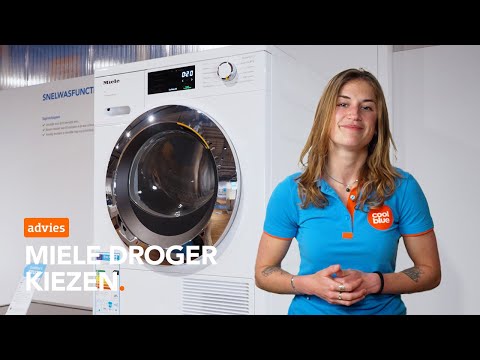 Welke Miele droger is de beste voor jou?Coolblue Productadvies
-

-
 Miele wasdroger TED 655 WPBemmel & Kroon
-

More related reviews
-
 AEG TR73CB96 SensiDryDryers
-

-
 LG RH90V5AV6NDryers