-
LatestThe best Washer of 2026
-
 BLACK+DECKER BFLW45M Roomy, efficient front-load washer with practical everyday cycles.
-
 Miele WQ 1000 WPS Nova Premium, feature-rich washer built for convenient everyday laundry.
-
 Miele WWB 380 WCS PowerWash & Steam Premium washer offers efficient cleaning and fabric care.
-
 AEG LR639AD44 6000-serie ProSense Autodose Convenient 9kg washer with automatic dosing and sensing
-
 Siemens WM14N208NL Practical 8kg washer with dependable everyday cycles.
-
 Bosch WAN2827FNL Practical, efficient 8 kg washer for everyday family laundry.
-
-
LatestThe best Washer of 2026
-
 Kapas KPS35-735H2 Compact twin-tub washer for small, hands-on laundry loads.
-
 Comfee CLV09N1AMG Compact washer makes small-apartment laundry convenient.
-
 Giantex EP23113 12 Lbs Compact twin-tub washer for convenient small-space laundry
-
 Midea MLTW09M1BWW washer Compact laundry for apartments and small everyday loads
-
 BLACK+DECKER BPWM09W, 0.9 Cu. Ft. , 6.6 lb. Compact portable washer for small everyday laundry loads
-
-
LatestThe best Dryer of 2026
-
 Miele TED 648 WP EcoSpeed & Wash2Dry Efficient, gentle drying with convenient smart washer pairing.
-
 BLACK+DECKER 4.4 Cu. BDFH44M Compact vented dryer for everyday small-home laundry
-
 BLACK+DECKER 8.0 Cu. BFLD80ME Roomy electric dryer for everyday family laundry.
-
 BLACK+DECKER BCED26 Compact Dryer Space-saving vented drying for small everyday laundry loads.
-
 AEG TR73CB96 SensiDry Gentle, efficient drying with generous family-sized capacity.
-
 AEG TR969M6C AbsoluteCare Plus Gentle, efficient drying for mixed loads and bedding
-
-
LatestThe best Washer-Dryer of 2026
-
 Bosch WNC254A0 Serie 8 Large-capacity washer-dryer with smart features and convenient automatic dosing
-
 Bosch WNA13400NL Space-saving washer-dryer for everyday laundry, smaller drying capacity.
-
 AEG LWR7586CUB DualSense UniversalDose Space-saving washer-dryer with fabric care and pod-friendly dispensing
-
 Bosch WNG254A7NL Spacious washer-dryer convenience, with a modest drying capacity.
-
 AEG LWR9516BN4 9000 Serie SensiDry Space-saving washer-dryer with gentle heat-pump fabric care
-
 Whirlpool FFWDB 964369 WV EE Space-saving washer-dryer with generous washing capacity and quick cycles.
-
Miele TSL 683 WP EcoSpeed & Steam review
Review the Miele TSL 683 WP EcoSpeed & Steam heat pump dryer, with gentle drying, crease-reducing SteamCare, useful programs and running-cost insights.


 2024-11-27
Summary / TL;DR

The Miele TSL 683 WP EcoSpeed & Steam is a premium heat-pump dryer with moisture sensors, a range of fabric-specific programmes, optional drainage and app connectivity. EcoSpeed can shorten some cycles, while SteamCare refreshes lightly worn clothes and may reduce creasing, but it does not replace washing or ironing. Heat-pump drying is generally energy-efficient and gentle, though cycles can take longer than on conventional dryers. Its touch display and drum light add convenience, but the high purchase price may be hard to justify if you rarely use the extra care features. The source gives conflicting capacity figures—9 kg in the introduction and 8 kg in the specifications—so buyers should check the exact model listing.
If you like this review, you might also like our review on the Miele TED 648 WP EcoSpeed & Wash2Dry or Miele TSF 763 WP EcoSpeed.
Introduction
A tumble dryer earns its keep on the days when the washing line is no use: a rainy weekend, a full basket of school clothes, or towels that need drying before guests arrive. The Miele TSL 683 WP EcoSpeed & Steam is a premium heat pump dryer designed for that regular household workload, with a 9 kg drum and features aimed at making laundry care more convenient.
Its appeal is broader than simply getting clothes dry. EcoSpeed is intended to shorten drying times, while SteamCare adds a way to freshen garments and reduce creases. Those extras may suit a busy home where laundry often waits in a basket for a day or two. The trade-off is the higher purchase price typical of a premium Miele dryer, so it makes most sense for people who expect to use it often and value its added care options.
This review looks at what those features mean in everyday use, alongside the practical details that matter before buying: installation, running costs and how easy the machine is to operate.
Related reviews


Design and Build Quality
The Miele TSL 683 WP has a clean, restrained look: a white enamelled front, a large round door and a control panel set above the drum. The smooth finish is easy to wipe down, and it avoids the fingerprints that can show up quickly on glossy black appliances. Its styling is practical rather than flashy, so it tends to sit neatly beside a washing machine without drawing much attention.
The M Touch colour display gives the upper panel a more polished feel than a row of basic buttons. Its clear screen is useful when you’re standing in front of the dryer with a full basket, though touch controls may feel less immediate than a physical dial if you prefer turning a knob without looking.
Open the door and you’ll find Miele’s honeycomb drum, designed with a textured surface that helps laundry move gently rather than press flat against the metal. The roomy opening also makes it easier to load bulky items such as towels or pull out a fitted sheet that has bunched into a ball. A built-in drum light helps you spot small items left behind, such as a dark sock tucked near the back.
At roughly 85 cm high and 60 cm wide, the cabinet follows the standard full-size format used by many freestanding dryers. Its depth is around 64 cm before allowing extra space for the door and hoses, so it’s worth measuring the route into the laundry room as well as the space where it will sit. Overall, the build feels carefully finished, although the premium price sets high expectations for the fit and finish.
Capacity and Installation
The 8 kg drum capacity suits most everyday laundry loads for a couple or a small family. It can take a week’s worth of mixed clothing, or a larger load of towels, without needing to split everything into small batches. For bedding, check the care labels and leave room for items to tumble freely; a bulky duvet can fill the drum surprisingly quickly.
| Dimensions (H × W × D) | 85 × 59.6 × 64.3 cm |
|---|---|
| Capacity | 8 kg |
| Weight | About 57 kg |
At just under 60 cm wide, it fits the standard width of many laundry spaces, but measure the full depth before ordering. The listed depth doesn’t account for the door when open, so allow extra room in front—especially in a narrow utility closet where an open door could block a walkway or cupboard.
This is a ventless heat pump dryer, so it doesn’t need an exhaust duct through an outside wall. You can collect condensed water in the tank or, where the installation allows, connect a drain hose for direct drainage. That option is handy if the dryer sits beside a washing machine drain, but check the supplied instructions and hose routing before pushing the appliance into place.
The dryer can stand alone or be stacked with a compatible washing machine using the correct stacking kit; don’t assume a kit will fit just because both machines are standard-width. Its roughly 57 kg weight also makes delivery and positioning a two-person job. A level, stable floor and enough clearance around the appliance make for a cleaner installation and easier access later.
Drying Performance and EcoSpeed
Drying is even and controlled rather than aggressively hot. The PerfectDry moisture sensors adjust the cycle as clothes dry, helping prevent a load of shirts from coming out bone-dry and stiff just because a few thicker items still need time. That’s useful with everyday mixed laundry, though bulky pieces such as a duvet can still take longer than a small cotton load.
EcoSpeed: shorter cycles without a hot-air blast
EcoSpeed can shorten drying times by up to 20 minutes on suitable cycles, while keeping the dryer’s energy-saving heat-pump approach. The exact saving depends on the programme and load, so it won’t shave the same amount off every cycle. It’s most appealing when you want cotton clothes dried sooner but don’t want to switch to a less efficient, high-heat setting.
Heat-pump dryers generally take longer than conventional vented dryers because they reuse warm air at lower temperatures. That gentler process suits items you’d rather not expose to intense heat, and it can make a difference with regular loads of T-shirts, underwear and towels. A tightly packed drum or a load with heavy cottons mixed with light synthetics may still need extra time; separating similar fabrics usually gives more predictable results.
For a weekly wash routine, the practical benefit is the balance: reliable moisture control, gentler drying and a faster option when time matters. EcoSpeed is a useful adjustment, not a promise that every load will finish in a hurry.
SteamCare Features
SteamCare gives clothes a quick refresh or helps relax creases, which is handy when a shirt has been sitting folded in a drawer or a jacket smells a little stale after a short outing. Rather than putting everything through a full wash, you can use a steam-based care option to freshen suitable garments and make them easier to smooth out afterwards.
It’s most useful for lightly worn items, not clothes with visible stains or strong odours. A cotton shirt may come out with fewer creases to press, while a delicate blouse can benefit from a gentle refresh between washes. Results depend on the fabric and how badly creased it is, so SteamCare won’t replace ironing when you want a crisp collar or sharp trouser crease.
When SteamCare is worth using
- Quick garment refresh: freshen clothes that have been worn briefly but don’t need a wash.
- Crease reduction: help relax wrinkles in shirts and other suitable garments before hanging them up.
- Less frequent washing: give lightly worn items another outing, while following the care label and the dryer’s programme guidance.
Think of it as a useful finishing tool rather than a cure-all: heavily creased linen and clothes needing a proper clean will still need more attention. Used for the right load, though, SteamCare can save a few minutes with the iron and make everyday laundry feel less like a chore.
Programs and Ease of Use
The program list is broad enough to handle more than a weekly load of cottons. You can choose specific cycles for shirts, denim, delicates, silk, sportswear, pillows and outdoor clothing, as well as everyday Cottons and Minimum iron. That makes it easier to pick a suitable setting for a mixed household than relying on one general-purpose cycle.
Those dedicated options are useful in small, practical ways. A Shirts program can save you from drying work tops on the same setting as thick towels, while the Denim cycle gives jeans their own treatment instead of leaving you to guess at a timed setting. For a favourite wool jumper, Woollens handcare is the clear choice, though it’s still worth checking the garment’s care label before loading it.
Controls that keep everyday use simple
The control panel lets you select a program and adjust available settings without digging through a long sequence of menus. Common options such as a delay start are handy if you want to run a load later; the exact choices can vary by program. The machine also supports Miele@home, so you can connect it to the Miele app for compatible remote features and status updates. App control is a useful extra, but you can still choose and start a cycle at the dryer.
For a typical load of office shirts, the routine is straightforward: sort the clothes, select Shirts, then choose the dryness level that suits how you plan to wear or store them. The range of named programs takes some guesswork out of laundry, although new owners may need a little time to learn which setting best matches each fabric and load size.
Energy Efficiency and Running Costs
The heat-pump system is the main reason this dryer can cost less to run than a conventional vented or condenser model. It reuses warm air instead of continually heating fresh air, so it generally uses less electricity per load, though drying takes longer than on some high-heat machines.
Older European product listings put annual energy use at around 185 kWh, based on standard test conditions. Treat that as a comparison figure rather than a promise: real consumption depends on how often you dry, how wet the laundry comes out of the washer, and which programme you choose. At 30 cents per kWh, 185 kWh works out to about €55.50 a year. Run it twice as often and the bill will rise accordingly.
| Example use | Estimated electricity cost at €0.30/kWh |
|---|---|
| 185 kWh in a year | €55.50 |
| 250 kWh in a year | €75 |
Those estimates use a simple energy-price calculation, not a guaranteed household bill. A family drying a full load most days will spend more than a couple who mainly use the dryer for towels and bedding. Spinning clothes thoroughly in the washer first also helps: laundry that comes out less wet needs less time in the dryer.
EcoSpeed is designed to shorten drying time without giving up the efficiency benefits of heat-pump drying. That can be useful on a busy laundry day, but frequent short cycles and small, loosely filled loads may change your overall energy use. For a fair running-cost comparison, look at the stated kWh figure and your own electricity rate, not just the programme duration.
What's in the Box
The box contains the dryer, a condensed-water drain hose, a fragrance flacon and the operating instructions. The hose lets you send water straight to a suitable drain instead of emptying the collection container after drying; check that its length and your drain position work for your laundry-room layout before installation.
The fragrance flacon fits into the dryer’s fragrance system, but you don’t have to use it. A stacking kit, washing-machine connector and other installation accessories are not part of the standard package, so check the retailer’s listing if you need those. Included accessories can vary by country or seller, too.
Competitor comparison
Compared with a mid-range Bosch Series 8 or LG heat pump dryer, the Miele TSL 683 WP EcoSpeed & Steam sits at the premium end of the market. The extra appeal is less about basic drying—good heat pump models can handle that well—and more about combining steam refresh, fabric-care options and Miele’s build approach in one machine. That’s useful if you often want to freshen a shirt or smooth creases without running a full wash-and-dry cycle.
| Dryer type | Where it may suit you better | What to weigh up |
|---|---|---|
| Miele TSL 683 WP EcoSpeed & Steam | Useful steam-care options and a premium, fabric-focused feature set | Usually costs more than a simpler heat pump dryer |
| Bosch Series 8 heat pump models | A strong alternative if you want a well-equipped dryer and find a good sale price | Steam and garment-care features vary by model, so check the exact specification |
| LG heat pump models | Worth comparing for connected controls and a broad choice of capacities and prices | Features differ across the range; not every model offers a steam function |
| Basic heat pump dryers | Often the better value if you mainly dry towels, bedding and everyday clothes | May skip the extra refresh and crease-care options |
For a household that mostly dries everyday laundry, a less expensive 9kg heat pump dryer can be a sensible buy; you may not use steam care often enough to justify the price gap. But if you regularly deal with work shirts, lightly worn clothes or garments that are awkward to iron, the Miele’s extra care options have a clearer purpose. Compare the exact model numbers before buying, since features can vary substantially between dryer ranges and even between models in the same series.
Conclusion
The Miele TSL 683 WP EcoSpeed & Steam makes the most sense for households that want a premium heat pump dryer they can use often, rather than the cheapest way to get laundry dry. Its practical appeal is the mix of time-saving options and fabric care: a useful fit for busy weeks when school clothes, work shirts and towels all seem to land in the laundry basket at once.
It isn’t a bargain buy, and SteamCare won’t make every shirt ready to wear straight from the drum. But for shoppers comparing a quiet, energy-efficient 9 kg heat pump dryer with convenient refresh and crease-reduction features, it’s a strong all-round choice. If purchase price matters more than convenience, a simpler dryer may offer better value; if you’ll use those extras regularly, the Miele is easier to justify.
Pros & cons
Pros
- Efficient heat-pump drying
- SteamCare refreshes and reduces creases
- EcoSpeed can save up to 20 minutes
- PerfectDry helps prevent over-drying
- Wide range of fabric-specific programs
Cons
- Premium price
- Heat-pump cycles can take longer
- SteamCare won't replace ironing
- Capacity is listed as both 8 kg and 9 kg
Frequently Asked Questions
The Miele TSL 683 WP EcoSpeed & Steam dryer is highly energy-efficient, utilizing heat pump technology to significantly reduce electricity consumption compared to traditional vented dryers. It holds an A+++ energy rating, which ensures substantial energy savings over its lifespan.
The Miele TSL 683 WP EcoSpeed & Steam dryer has a maximum load capacity of 9 kg, allowing you to handle large loads efficiently.
Yes, regular maintenance is necessary for the Miele TSL 683 WP EcoSpeed & Steam dryer. Cleaning the lint filter after each use is essential, although the condenser is not completely self-cleaning and may require occasional maintenance.
The SteamFinish feature on the Miele TSL 683 WP EcoSpeed & Steam dryer uses steam to reduce wrinkles and leave your clothes looking fresh and smooth, saving you time on ironing.
The Miele TSL 683 WP EcoSpeed & Steam dryer operates at a reasonable noise level of 64 dB, making it suitable for use in most environments without causing significant disturbance.
Yes, you can control the Miele TSL 683 WP EcoSpeed & Steam dryer remotely using the Miele@home app on your smartphone, allowing you to monitor and manage your laundry from anywhere.
The EcoSpeed feature on the Miele TSL 683 WP EcoSpeed & Steam dryer reduces drying time efficiently, allowing you to complete your laundry faster without compromising energy efficiency.
Drying a full load of cotton in the Miele TSL 683 WP EcoSpeed & Steam dryer typically takes about 184 minutes per cycle.
The Miele TSL 683 WP EcoSpeed & Steam dryer has a partially self-cleaning condenser, which reduces maintenance needs but still requires occasional cleaning to ensure optimal performance.
Installation of the Miele TSL 683 WP EcoSpeed & Steam dryer is relatively straightforward, requiring a power outlet and proper drainage setup. However, connecting to the drainage system might be challenging for some users.
Important
Before buying any product, check all details of this product on the website or in the store where you purchase it. Aspects and specifications mentioned in the text above might differ.
Videos
-
 Miele TSL 783 WP FragceDos2HALLOshop
-
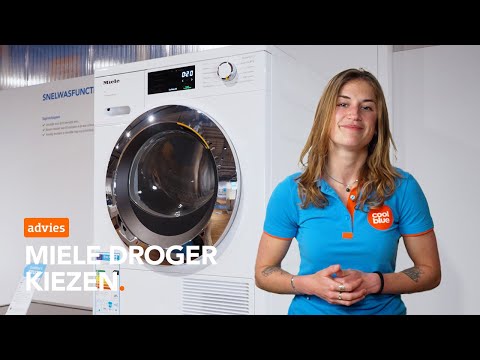 Welke Miele droger is de beste voor jou?Coolblue Productadvies
-
 Miele TSL 783 WP EcoDry TechnologieHALLOshop
-

-

-

More related reviews
-

-
 AEG TR73CB96 SensiDryDryers
-
