-
LatestThe best Washer of 2026
-
 BLACK+DECKER BFLW45M Roomy, efficient front-load washer with practical everyday cycles.
-
 Miele WQ 1000 WPS Nova Premium, feature-rich washer built for convenient everyday laundry.
-
 Miele WWB 380 WCS PowerWash & Steam Premium washer offers efficient cleaning and fabric care.
-
 AEG LR639AD44 6000-serie ProSense Autodose Convenient 9kg washer with automatic dosing and sensing
-
 Siemens WM14N208NL Practical 8kg washer with dependable everyday cycles.
-
 Bosch WAN2827FNL Practical, efficient 8 kg washer for everyday family laundry.
-
-
LatestThe best Washer of 2026
-
 Kapas KPS35-735H2 Compact twin-tub washer for small, hands-on laundry loads.
-
 Comfee CLV09N1AMG Compact washer makes small-apartment laundry convenient.
-
 Giantex EP23113 12 Lbs Compact twin-tub washer for convenient small-space laundry
-
 Midea MLTW09M1BWW washer Compact laundry for apartments and small everyday loads
-
 BLACK+DECKER BPWM09W, 0.9 Cu. Ft. , 6.6 lb. Compact portable washer for small everyday laundry loads
-
-
LatestThe best Dryer of 2026
-
 Miele TED 648 WP EcoSpeed & Wash2Dry Efficient, gentle drying with convenient smart washer pairing.
-
 BLACK+DECKER 4.4 Cu. BDFH44M Compact vented dryer for everyday small-home laundry
-
 BLACK+DECKER 8.0 Cu. BFLD80ME Roomy electric dryer for everyday family laundry.
-
 BLACK+DECKER BCED26 Compact Dryer Space-saving vented drying for small everyday laundry loads.
-
 AEG TR73CB96 SensiDry Gentle, efficient drying with generous family-sized capacity.
-
 AEG TR969M6C AbsoluteCare Plus Gentle, efficient drying for mixed loads and bedding
-
-
LatestThe best Washer-Dryer of 2026
-
 Bosch WNC254A0 Serie 8 Large-capacity washer-dryer with smart features and convenient automatic dosing
-
 Bosch WNA13400NL Space-saving washer-dryer for everyday laundry, smaller drying capacity.
-
 AEG LWR7586CUB DualSense UniversalDose Space-saving washer-dryer with fabric care and pod-friendly dispensing
-
 Bosch WNG254A7NL Spacious washer-dryer convenience, with a modest drying capacity.
-
 AEG LWR9516BN4 9000 Serie SensiDry Space-saving washer-dryer with gentle heat-pump fabric care
-
 Whirlpool FFWDB 964369 WV EE Space-saving washer-dryer with generous washing capacity and quick cycles.
-
Siemens WG56B2ACNL intelligentDosing review
Review the Siemens WG56B2ACNL 10 kg washing machine, with i-Dos automatic detergent dosing, 1,600 rpm spin, Home Connect and A-rated efficiency.


 2024-12-04
Summary / TL;DR

The Siemens WG56B2ACNL is a full-size, 10 kg front-load washing machine with a maximum spin speed of 1,600 rpm. Its main feature is intelligentDosing, which dispenses liquid detergent from built-in reservoirs according to the selected wash and settings. Home Connect provides cycle updates and notifications, though it requires Wi-Fi and app setup.
The washer has an A energy rating, with stated Eco 40–60 consumption of 51 kWh per 100 cycles and 52 litres of water per cycle. Its large capacity suits households with frequent or bulky loads, while faster spins can leave some fabrics creased. Careful installation, including removing transit bolts and levelling the machine, is important.
Automatic dosing and connected features add convenience but also contribute to a premium price. They may be less worthwhile for households that do laundry infrequently or prefer manual detergent dosing.
Introduction
The Siemens WG56B2ACNL intelligentDosing is a premium front-load washing machine aimed at households that get through a steady pile of laundry and would rather not measure detergent for every load. Its automatic dosing system is the main reason to look at this model: instead of pouring detergent into the drawer each time, you can let the washer handle the amount for you.
That convenience can make a difference during ordinary busy weeks. A family washing school clothes, towels and bedding on separate days may appreciate fewer small chores and less guesswork. The trade-off is that a washer with automatic dosing costs more than a basic model, and its extra features may be unnecessary if you only run a few loads each week. This review looks at what the machine offers in practice, including whether its premium approach makes sense for your home.
Related reviews
-
 Samsung WF90F09C4SWashers
-
 Miele WEG 888 WCSWashers
-
 Bosch WGB256AONLWashers
What's in the Box
In the box, you get the washer and the paperwork needed for setup. The water inlet hose is supplied, while the drain hose is fitted to the machine, so you won’t need to buy a basic hose set separately. The installation instructions explain how to connect the water and power and remove the transport locks before the first wash.
- Siemens washing machine
- Water inlet hose
- Fitted drain hose
- Printed setup and safety information
Allow time to remove the transit bolts at the rear before switching it on; leaving them in place can make a new washer shake badly during the spin cycle. You’ll need to keep the bolts in case you move the machine later. A stacking kit, longer hoses and detergent aren’t standard box contents, so check those separately if your laundry setup needs them. The exact paperwork or accessories can vary by retailer and delivery package.
Design and Build Quality
The Siemens WG56B2ACNL has a clean, practical look: a white cabinet, a large dark door and a broad control panel that’s easy to pick out in a laundry room. Its styling is modern without relying on shiny trim that would show every fingerprint. The door gives you a clear view into the drum, and its wide opening makes it easier to load bulky items such as bedding without wrestling them through a narrow gap.
At about 84.5 cm high and 59.8 cm wide, it follows the familiar full-size washing machine footprint. The listed depth is around 59 cm, but allow extra room for the door, hoses and a little clearance at the back. That matters in a tight utility cupboard: a washer can fit between the side panels and still sit too far forward for the door to close neatly.
Solid, restrained construction
Siemens uses its AntiVibration design on the side walls, with shaped panels intended to help limit vibration and noise during operation. It also gives the cabinet a less plain appearance than flat-sided machines. As with any front-loading washer, a level, firm floor and correctly adjusted feet make a real difference; even a well-built cabinet can shuffle or sound louder if it rocks on an uneven surface.
The controls keep the front uncluttered, with a central programme dial and a display area for settings and cycle information. The detergent drawer sits at the upper left, where it’s easy to reach without bending down. Overall, this is a sturdy-looking freestanding washing machine with a sensible layout, rather than a design piece that asks you to trade everyday convenience for looks.
Capacity and Washing Performance
The 10 kg drum capacity gives this washer room for large weekly loads, bulky towels and bedding that can feel cramped in a smaller machine. A king-size duvet may still need its own wash, depending on its filling and care label, but there’s more space for it to move than in a typical 8 kg drum. That movement helps detergent and water reach the fabric evenly.
For everyday laundry, the large capacity is handy for families: jeans, school clothes and towels can go in together, rather than becoming several small loads. Just remember that 10 kg is the maximum for certain programmes, not every cycle. Delicate fabrics and quick washes usually have lower load limits, so check the programme guide before filling the drum to the top.
Spin performance and cycle options
With a maximum spin speed of 1,600 rpm, the machine can remove plenty of water from suitable cotton loads before they go on the line or into a tumble dryer. That’s useful for heavy items such as bath towels, which otherwise take a long time to dry. The trade-off is that a faster spin can leave some fabrics more creased; lower spin settings make sense for shirts and delicate clothing.
For a lightly soiled load that needs turning around sooner, the speed-up options can shorten a wash programme. They’re useful for a small load of everyday tops, though a shorter cycle isn’t a magic fix for muddy sports kit or a full drum of towels. Those loads benefit from a longer wash with enough time for cleaning and rinsing.
Overall, the generous capacity and strong spin speed suit households that regularly wash larger loads. The main thing to watch is matching the load size and spin setting to the fabric: overfilling can restrict movement in the drum, while a gentler spin may be kinder to clothes but leave them wetter.
IntelligentDosing and Smart Features
The intelligentDosing system takes the guesswork out of measuring liquid detergent. Fill the built-in reservoirs, select a wash, and the machine dispenses what it calculates is needed for that load. That’s handy for everyday washing: a half-load of lightly worn T-shirts doesn’t need the same dose as a full drum of muddy sports kit. Using less detergent can also mean fewer suds and less residue on clothes.
How accurate the dose is depends partly on the settings you enter, including your detergent and local water hardness. It’s worth setting these correctly at the start rather than assuming the machine knows what’s in the bottle. You can still add detergent manually for a one-off wash or a product you don’t keep in the reservoir; fabric softener can also be loaded into its own compartment.
Home Connect features
With Home Connect, you can check the cycle status and receive a notification when the wash finishes. The app can also help select a suitable programme by asking what you’re washing and what matters most, such as a quicker cycle. That’s useful when you’re unsure which setting to pick for a mixed load, though it doesn’t remove the need to sort clothes or check care labels.
App control adds convenience, but it takes a little setup: the washer needs to connect to your home Wi-Fi, and you’ll need the Home Connect app. Some people may prefer using the controls on the machine, especially for a routine wash. The smart features are most useful for checking progress from another room or getting a reminder before wet clothes sit in the drum too long.
Ease of Use and Installation
The controls are straightforward once the washer is in place: turn the programme selector, check the settings on the display and press start. That makes routine jobs—like putting on a cotton wash after dinner—easy to set up without working through a phone app. The detergent drawer still needs an occasional rinse, and the i-Dos reservoirs need filling before automatic dosing can take over.
Installation: measure first, level carefully
This is a full-size, freestanding washer, so check the route into the laundry room as well as the space where it will sit. Its listed dimensions are about 84.5 × 59.8 × 59 cm (H × W × D); allow extra room for the water hose, drain hose and door to open. A tight alcove can make connecting the hoses awkward, even if the machine itself fits.
As with any new washing machine, remove the transport bolts before use, connect the water supply and drain, then adjust the feet until the cabinet stands level. That last step matters: a washer that rocks slightly can become noisier and shift during a fast spin. Check the instruction manual for the exact connection and clearance requirements in your home.
Once installed, the main small adjustment is learning the drawer layout and filling the detergent compartments correctly. It’s worth checking the labels before the first load; using the wrong compartment can mean the automatic dosing setup doesn’t work as intended. Overall, the controls are approachable, but careful measuring and levelling make the biggest difference to a smooth setup.
Energy and Water Efficiency
The energy label gives this washer an A rating, with a stated use of 51 kWh per 100 Eco 40–60 cycles. That works out to about 0.51 kWh for one test cycle, though your own results will depend on load size, water temperature and programme choice.
Eco-cycle figures at a glance
| Measure | Rated figure |
|---|---|
| Energy use | 51 kWh per 100 cycles |
| Water use | 52 litres per cycle |
| Energy rating | A |
These figures come from the standard Eco 40–60 programme, not a promise that every wash uses the same amount. A quick, hot cycle or a small load can change the numbers. Eco washes also tend to take longer: the machine uses less heat and gives the wash more time, so it’s a better fit for routine laundry than for a shirt you need in a hurry.
The 52-litre water figure is a useful benchmark for a full test load, but half-filling a 10 kg drum won’t make each wash half as resource-hungry. For better energy and water efficiency per kilogram, wait until you have a worthwhile load, while leaving enough room for clothes to move. The automatic detergent dosing can also help prevent over-pouring; that mainly cuts detergent waste, rather than changing the rated electricity use.
Competitor Comparison
The Siemens WG56B2ACNL sits in the premium 10 kg washing machine bracket, where its closest rivals include high-end Bosch and Miele models. The choice often comes down less to headline capacity and more to how much you value automatic detergent dosing, app control and the brand’s wider appliance range.
| Compared with | Where the Siemens has an edge | What to weigh up |
|---|---|---|
| Similar Bosch 10 kg models | It offers a closely related mix of premium features, including i-Dos automatic detergent dosing on equipped models. | Bosch and Siemens are both part of BSH, so some models share underlying technology. Compare the exact model numbers, cycle options and prices rather than assuming one brand is automatically better. |
| Miele W1 models | The Siemens may appeal if you want a large-capacity machine with automatic dosing and smart features without paying specifically for Miele’s premium positioning. | Miele offers its own dosing system, TwinDos, on selected models. Check detergent availability and running costs, as well as the machine’s warranty and repair terms. |
| Mid-range 9–10 kg washers | Its automatic dosing and connected features can reduce routine measuring and give it a more premium feel. | A simpler washer may cost less and still cover everyday laundry well. If you rarely use app controls or prefer to add detergent by hand, the extra features may not earn their keep. |
For a household that washes mixed loads throughout the week, i-Dos is a practical difference: you fill the detergent reservoirs and the machine meters detergent for each wash, instead of guessing at a capful for a small load. That convenience is most useful if you run the washer often; occasional users may find a less expensive manual-dosing model better value. Compare current prices and the exact feature list, since specifications can vary between machines that look very similar on a retailer’s page.
Conclusion
The Siemens WG56B2ACNL intelligentDosing makes the most sense for a busy household that runs laundry often and wants fewer small decisions on wash day. Automatic detergent dosing can be especially handy when loads vary: a lightly worn school shirt and a muddy sports kit don’t need the same amount of detergent, and the machine adjusts the dose rather than relying on a guess each time.
Its main trade-off is the higher upfront cost compared with a straightforward washer. The smart features and dosing system earn their keep through regular use, not occasional weekend washing. Before buying, check that its size and price fit your space and budget, and consider whether you’ll actually use app controls and automatic dosing. If you will, it’s a capable choice for a large-capacity washing machine that can make everyday laundry feel a little less hands-on.
Pros & cons
Pros
- 10 kg capacity suits large loads
- 1,600 rpm spin extracts plenty of water
- Automatic detergent dosing reduces guesswork
- A-rated energy efficiency
- Home Connect offers cycle alerts
Cons
- Costs more than basic washers
- Full-size dimensions need careful measuring
- Dosing needs correct setup and refilling
- App features require Wi-Fi and setup
Frequently Asked Questions
To activate the intelligentDosing system, fill the detergent and fabric softener reservoirs. Press the i-DOS buttons to ensure the system is enabled. The icons on the display should light up, indicating the system is active.
The Siemens WG56B2ACNL supports liquid detergent. You can use two different types of liquid detergent or convert the fabric softener reservoir into an additional detergent reservoir by pressing and holding the i-DOS 2 button for 3 seconds.
Adjust the base dosage by checking the detergent bottle for the recommended dosage per load. Use this information to set the basic dosage amount on your washing machine. Press and hold the i-DOS button for about 3 seconds to adjust the settings.
Yes, you can turn off the intelligentDosing system by pressing the i-DOS 1 and i-DOS 2 buttons until the icons are off. This allows you to manually add detergent to the left detergent reservoir.
The intelligentDosing system saves detergent by accurately dispensing the right amount based on fabric type, water hardness, and degree of soiling, thus optimizing detergent usage.
Yes, you can use fabric softener with the Siemens WG56B2ACNL. Fill the central reservoir in the detergent drawer with fabric softener up to the 'MAX' line. If not using fabric softener, you can convert this reservoir into an additional detergent reservoir.
The display will flash when the detergent or fabric softener level is below the minimum. This indicates it's time to refill the reservoirs.
The intelligentDosing system is not available in all programs, such as delicate or wool cycles. For these, you may need to manually add detergent to the manual dosing compartment.
The intelligentDosing system adjusts detergent dosage based on water hardness, ensuring optimal cleaning without wasting detergent.
While the Siemens WG56B2ACNL supports remote start via the Home Connect app, specific control over the intelligentDosing system settings is typically managed directly on the machine.
Important
Before buying any product, check all details of this product on the website or in the store where you purchase it. Aspects and specifications mentioned in the text above might differ.
More Siemens reviews
Videos
-

-

-
 Innovatief Wassen & Drogen met iQ700: Slimme Technologie in Actie | Siemens Home BelgiëSiemens Home France, Belgique / België, Nederland
-
 Slimmer Wassen met i-Dos & Detergent Scan | Siemens Home BelgiëSiemens Home France, Belgique / België, Nederland
-
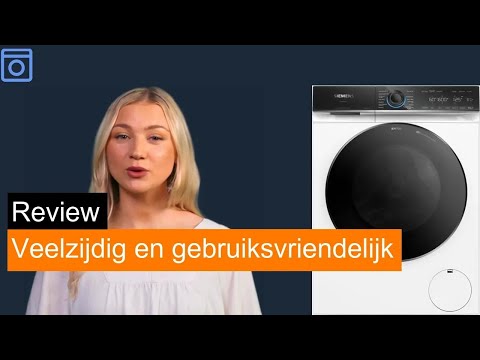 Siemens WG56B2A7NL intelligentDosing in 1 minuutScore Shopping
-
 Wat is Siemens Intelligent Dosing?Coolblue Productadvies
More related reviews
-
 Bosch WGG244ZONLWashers
-

-
