-
LatestThe best Washer of 2026
-
 BLACK+DECKER BFLW45M Roomy, efficient front-load washer with practical everyday cycles.
-
 Miele WQ 1000 WPS Nova Premium, feature-rich washer built for convenient everyday laundry.
-
 Miele WWB 380 WCS PowerWash & Steam Premium washer offers efficient cleaning and fabric care.
-
 AEG LR639AD44 6000-serie ProSense Autodose Convenient 9kg washer with automatic dosing and sensing
-
 Siemens WM14N208NL Practical 8kg washer with dependable everyday cycles.
-
 Bosch WAN2827FNL Practical, efficient 8 kg washer for everyday family laundry.
-
-
LatestThe best Washer of 2026
-
 Kapas KPS35-735H2 Compact twin-tub washer for small, hands-on laundry loads.
-
 Comfee CLV09N1AMG Compact washer makes small-apartment laundry convenient.
-
 Giantex EP23113 12 Lbs Compact twin-tub washer for convenient small-space laundry
-
 Midea MLTW09M1BWW washer Compact laundry for apartments and small everyday loads
-
 BLACK+DECKER BPWM09W, 0.9 Cu. Ft. , 6.6 lb. Compact portable washer for small everyday laundry loads
-
-
LatestThe best Dryer of 2026
-
 Miele TED 648 WP EcoSpeed & Wash2Dry Efficient, gentle drying with convenient smart washer pairing.
-
 BLACK+DECKER 4.4 Cu. BDFH44M Compact vented dryer for everyday small-home laundry
-
 BLACK+DECKER 8.0 Cu. BFLD80ME Roomy electric dryer for everyday family laundry.
-
 BLACK+DECKER BCED26 Compact Dryer Space-saving vented drying for small everyday laundry loads.
-
 AEG TR73CB96 SensiDry Gentle, efficient drying with generous family-sized capacity.
-
 AEG TR969M6C AbsoluteCare Plus Gentle, efficient drying for mixed loads and bedding
-
-
LatestThe best Washer-Dryer of 2026
-
 Bosch WNC254A0 Serie 8 Large-capacity washer-dryer with smart features and convenient automatic dosing
-
 Bosch WNA13400NL Space-saving washer-dryer for everyday laundry, smaller drying capacity.
-
 AEG LWR7586CUB DualSense UniversalDose Space-saving washer-dryer with fabric care and pod-friendly dispensing
-
 Bosch WNG254A7NL Spacious washer-dryer convenience, with a modest drying capacity.
-
 AEG LWR9516BN4 9000 Serie SensiDry Space-saving washer-dryer with gentle heat-pump fabric care
-
 Whirlpool FFWDB 964369 WV EE Space-saving washer-dryer with generous washing capacity and quick cycles.
-
Siemens WQ45G270NL SelfCleaning review
Review the Siemens WQ45G270NL SelfCleaning, a 9 kg heat-pump dryer with AutoDry sensors, automatic condenser cleaning and practical programs for family laundry.


 2024-11-29
Summary / TL;DR

The Siemens WQ45G270NL is a 9 kg heat-pump dryer with sensor-based AutoDry programs for cottons, mixed loads, outdoor clothing and other laundry. Its self-cleaning condenser reduces manual maintenance, though the lint filter still needs regular cleaning and the water tank must be emptied unless the dryer is connected to a drain.
It measures approximately 84.2 × 59.8 × 61.3 cm, uses about 110 kWh per 100 cycles (EU energy class C) and is rated at 63 dB. Heat-pump cycles can take longer than conventional drying, and the machine is audible in open-plan spaces. Its capacity and reduced condenser upkeep may suit households that dry laundry frequently; occasional users may find a smaller, lower-cost model better value.
If you like this review, you might also like our review on the Siemens WQ35G2D0NL SelfCleaning or Siemens WQ33G2D0 or Siemens WT43N205NL iQ300.
Introduction
The Siemens WQ45G270NL SelfCleaning is a 9 kg heat-pump tumble dryer aimed at households that want to dry larger loads without relying on a traditional vented machine. Its capacity can be handy after a family laundry day: towels and everyday clothes can go in together, rather than leaving a bulky load waiting for another cycle.
The “SelfCleaning” name points to a practical feature for people who’d rather not regularly reach into the dryer to clear lint from the condenser. That makes this Siemens worth a closer look for anyone comparing 9 kg heat-pump dryers for home use. The key question is whether its day-to-day convenience and drying options suit your routine, so the sections below look at how it performs beyond the headline features.
Related reviews


What's in the Box
In the box, you’ll find the dryer, its user documentation and the parts needed for setup. The condensate drain hose lets you send collected water to a suitable drain instead of emptying the water container after each cycle; check the hose and fittings before the installer leaves, as retailer bundles can vary.
- Dryer: the main appliance, with its water container fitted.
- Drainage parts: a hose and connection pieces for a permanent condensate drain, subject to the supplied package.
- Documentation: the instruction manual and setup information.
A stacking kit, washer-to-dryer connector and vent hose are not standard items to assume are included. If you plan to place the dryer on top of a washing machine, check the retailer’s listing and order a compatible stacking kit separately. Keep the packaging until the appliance is in position; it makes it easier to check for transit damage before installation.
Design and Build Quality
The Siemens WQ45G270NL SelfCleaning has a straightforward, full-size design: a white cabinet, a dark front panel and a wide loading door. At about 84.2 cm high, 59.8 cm wide and 61.3 cm deep, it’s a standard-width tumble dryer, but still worth measuring carefully. Leave extra room for the door to swing open and for the machine to sit without pressing against a wall.
The large door makes loading bulky items less awkward. A duvet cover or a heavy load of towels is easier to lift into a wide opening than to squeeze through a narrow one, especially when the drum is already partly full. Check the door’s opening direction against your laundry-room layout before buying; a tight corner or a washing machine beside it can make unloading less convenient.
Solid everyday construction
Inside, the stainless-steel drum gives the dryer a sturdy, smooth surface for everyday loads. The outer casing is painted metal, with a clean, practical finish that suits most laundry rooms. Its design isn’t especially decorative, and the white panels can show scuffs if baskets or bottles are regularly knocked against them, but the simple shape is easy to wipe down.
The controls sit high on the front, so they’re easy to see when the dryer is stacked beneath a compatible washer. The rotary selector and display give the fascia a tidy, uncluttered look rather than filling it with rows of separate buttons. Overall, this is a conventional, full-size heat-pump dryer: sturdy in appearance, sensibly laid out and designed to fit a typical laundry space.
Drying Performance and Programs
The 9 kg capacity gives this heat-pump dryer room for a full family wash, such as a load of towels or several days’ worth of T-shirts and jeans. Its AutoDry sensors monitor moisture and stop the cycle when clothes reach the selected dryness level. That helps avoid the familiar problem of pulling out a load that feels dry on top but is still damp around thicker waistbands or towel edges.
You can choose a finish to suit what happens next: iron-dry clothes retain a little moisture, while cupboard-dry items are ready to put away. For everyday mixed laundry, the dedicated Mix program is handy when a few shirts and lighter items don’t justify sorting into separate loads. Just keep bulky bedding or heavy towels in mind: they need space to tumble freely, so a packed drum may take longer to dry evenly.
Programs for everyday laundry and specialist loads
| Program type | Useful for |
|---|---|
| Cottons | Everyday cotton items, including T-shirts, sheets and towels |
| Easy-care and Mix | Synthetics or mixed loads that need a gentler approach than a full cotton cycle |
| Outdoor | Technical clothing that benefits from a suitable low-heat drying program |
| Wool finish | Refreshing and gently drying woollens; check each garment’s care label first |
| Super 40 | A quicker option for a small load of suitable, lightly damp clothing |
The Super 40 cycle is useful when you need a few items ready sooner, but it isn’t a shortcut for a full, wet load. Overall, the program selection covers the common laundry jobs well, with sensor-based drying helping match the cycle to the load rather than relying only on a fixed timer.
Energy Efficiency and Noise
The Siemens WQ45G270NL SelfCleaning uses heat-pump drying, which recycles warm air instead of constantly heating fresh air. Its EU energy label lists class C and about 110 kWh per 100 cycles on the standard programme. That works out to roughly €33 per 100 cycles at an electricity rate of €0.30 per kWh; your actual bill will vary with local prices, load size and programme choice.
That’s a reasonable running cost for a 9 kg dryer, though class C isn’t among the very most efficient ratings available. The label figure is a useful comparison, not a promise for every load: drying a small batch or stopping while clothes are still damp can change consumption. Heat-pump cycles also tend to take longer than those on traditional vented dryers, so this is better suited to planned laundry than a last-minute rush.
Noise is rated at around 63 dB. In a separate laundry room, it should be easy to live with; in an open-plan kitchen, you’ll hear it during a cycle, especially during the quieter parts of the day. It’s not unusually loud for a heat-pump dryer, but it isn’t silent either.
Ease of Use and Maintenance
The SelfCleaning Condenser reduces one of the more tedious dryer chores: clearing fluff from the heat exchanger by hand. It rinses lint away automatically during drying, so you don’t need to open a lower service flap and pick debris from the fins every few weeks. It’s a convenience, not a maintenance-free promise, though—the lint filter still needs regular attention.
Everyday cleaning and water disposal
For the best drying results, clean the door lint filter after each load. It’s a quick job, but lint can collect around the filter housing too, so give that area a wipe now and then. If you dry towels or fleece blankets often, expect to find more fluff than you would after a load of shirts.
Moisture collects in a condensate tank unless the dryer is connected to a suitable drain. With tank drainage, you’ll need to empty it periodically; how often depends on load size and fabric. It’s easy to overlook when you’re doing laundry back-to-back, so check the tank before starting another cycle. A direct drain connection can save that step if your laundry-room setup allows it.
Controls you can manage without fuss
The front controls and display make it straightforward to select a cycle and check its progress. The main learning curve is choosing the right setting for a mixed load: towels and thin synthetic tops, for example, may not finish at the same time. The autoDry system uses sensors to help reach the selected dryness level, which is handy when you want clothes ready to fold rather than slightly damp.
Overall, routine care is simple: clear the filter, keep the tank or drain in order, and let the condenser’s self-cleaning system handle much of the deeper lint buildup. That makes this a practical choice for anyone comparing a low-maintenance heat pump dryer with a model that needs more frequent manual condenser cleaning.
Competitor comparison
Compared with other 9 kg heat pump dryers, the Siemens sits in a useful middle ground: it offers automatic condenser cleaning, but doesn’t carry the premium positioning or price tag often associated with Miele’s higher-end T1 models. That makes it a sensible pick for households that want less routine condenser maintenance without paying extra for a more luxurious finish or specialist features.
| Alternative | How it compares |
|---|---|
| Bosch 9 kg heat pump dryers | Bosch and Siemens share the same parent company, so some models offer closely related technology and features. Compare the exact model numbers: a similar-looking Bosch may have a manually cleaned condenser, while this Siemens model’s self-cleaning system is a practical advantage for people who run frequent loads. |
| Miele T1 heat pump dryers | Miele models often appeal to buyers who want a premium build and a long list of fabric-care options. They can cost more, though, so the extra spend is harder to justify if you mainly need reliable drying for everyday laundry rather than higher-end extras. |
| Budget heat pump dryers from brands such as Beko | These can be attractive on upfront price, but check the capacity, cleaning routine and warranty for the specific model. A lower purchase price may come with more hands-on upkeep, which matters if the dryer gets used several times a week. |
The practical comparison is less about brand names and more about the feature mix. A household drying bedding, towels and family clothes may value the 9 kg capacity and reduced condenser-cleaning chores more than a premium finish. On the other hand, shoppers focused on the lowest upfront cost may find a basic heat pump dryer that handles laundry just as well, provided they’re happy to clean its filters and condenser more often.
Before buying, compare the exact energy label, cycle times and warranty for each model sold in your region. Specifications can vary between versions with similar names, so a quick model-number check can prevent paying extra for a feature you don’t need—or missing one you do.
Value for Money
The Siemens WQ45G270NL SelfCleaning sits above basic tumble dryers on price, but its 9 kg capacity and heat-pump design make the extra cost easier to justify for a busy household. You can dry a full family load rather than splitting it into several smaller cycles, and the lower-temperature heat-pump system can use less electricity than a traditional vented or condenser dryer. How quickly that offsets the higher purchase price depends on your electricity tariff and how often you run the machine.
The self-cleaning condenser adds value over years of use, not just at checkout. With many standard dryers, a neglected condenser can gradually affect efficiency; here, automatic cleaning reduces that bit of upkeep. It won’t remove the need to clean the lint filter, but it can save time for people who use their dryer several times a week.
This model makes most financial sense if you’ll use its capacity regularly and plan to keep it for a long time. For a one-person household that dries only the odd towel load, a cheaper, smaller dryer may be better value. Check the current price against other 9 kg heat-pump dryers, too: the Siemens is easiest to recommend when its self-cleaning system and build justify only a modest premium.
Conclusion
The Siemens WQ45G270NL SelfCleaning makes the most sense for households that dry clothes often and want a 9 kg heat pump dryer that needs less hands-on condenser cleaning. Its bigger appeal is the routine it supports: a full family load can go in after laundry day, while everyday drying needs fewer maintenance chores than with a dryer that requires regular condenser rinsing.
There is one trade-off to keep in mind: heat-pump cycles can take longer than those on a conventional vented dryer. That matters if you often need a school uniform or work shirt dried in a hurry. But for regular loads—towels, bedding and the weekly pile of everyday clothes—the lower-effort design is a sensible fit. Overall, this is a strong choice for buyers who value easy-care laundry and a large-capacity dryer more than the shortest possible cycle time.
Pros & cons
Pros
- Large 9 kg capacity
- Self-cleaning condenser reduces upkeep
- Heat-pump design uses less energy
- AutoDry sensors help prevent over-drying
- Useful range of drying programs
Cons
- Energy class C, not top-rated
- Heat-pump cycles can take longer
- Audible at around 63 dB
- Water tank needs emptying without drain
Frequently Asked Questions
The self-cleaning function on the Siemens WQ45G270NL SelfCleaning dryer automatically rinses the condenser after each drying cycle. This ensures the dryer remains energy-efficient by preventing lint buildup and maintaining optimal performance.
The Siemens WQ45G270NL SelfCleaning dryer is suitable for a wide range of fabrics, from delicates to heavy-duty items like jeans and towels. Always check the care labels on your clothes to ensure compatibility.
Yes, the Siemens WQ45G270NL SelfCleaning dryer is energy-efficient. It uses heat pump technology to recycle heat during the drying process, which reduces energy consumption and is environmentally friendly.
Yes, you can pause a drying cycle on the Siemens WQ45G270NL SelfCleaning dryer. This allows you to add or remove items, though it may slightly alter the drying time based on moisture detection.
The Siemens WQ45G270NL SelfCleaning dryer operates at a reasonable noise level of 64 dB, which is not excessively loud and suitable for most households.
Setting up the Siemens WQ45G270NL SelfCleaning dryer is straightforward, though it may require assistance due to its weight. Once in place, it's a plug-and-play setup.
The main drawbacks of the Siemens WQ45G270NL SelfCleaning dryer include its premium price and the initial setup challenge for some users. However, the self-cleaning feature offers long-term benefits.
If the self-cleaning function isn't working, check for blockages or lint buildup. If issues persist, contact Siemens customer support for assistance.
Yes, the Siemens WQ45G270NL SelfCleaning dryer includes a special outdoor program designed to handle sensitive outdoor fabrics by maintaining a constant low temperature.
The Siemens WQ45G270NL SelfCleaning dryer has a maximum load capacity of 9 kg, making it suitable for drying large loads of laundry.
Important
Before buying any product, check all details of this product on the website or in the store where you purchase it. Aspects and specifications mentioned in the text above might differ.
More Siemens reviews
Videos
-
 Siemens iSensoric tumble dryers with selfCleaning condenser explainedAP Bathrooms & Kitchens
-

-
 iQ700-drogers: selfCleaning Condensor | Siemens Home NederlandSiemens Home France, Belgique / België, Nederland
-

-
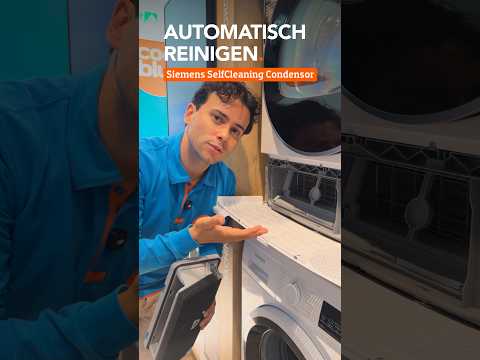 Wat is Siemens selfcleaning condensor bij Siemens wasdrogers?Coolblue Productadvies
-
 Care programma Siemens IQ500 opzettencynthia9056
More related reviews
-

-
 AEG TR73CB96 SensiDryDryers
-
